These 5 Norwegian wool coats range from a traditional patterned style in boiled wool to a belted cape with a structured collar, with the deciding factor being how much warmth your climate demands against how much shape you want around your shoulders.
A belted hooded coat demands a frame that can balance its volume, while a wool cape coat with belt asks you to give up the convenience of shoulder straps entirely.
The Dunst faux fur collar version gives you an 89% wool front and the option to remove the trim before cleaning, which matters more than it sounds for longevity.
1. Stylish Designs

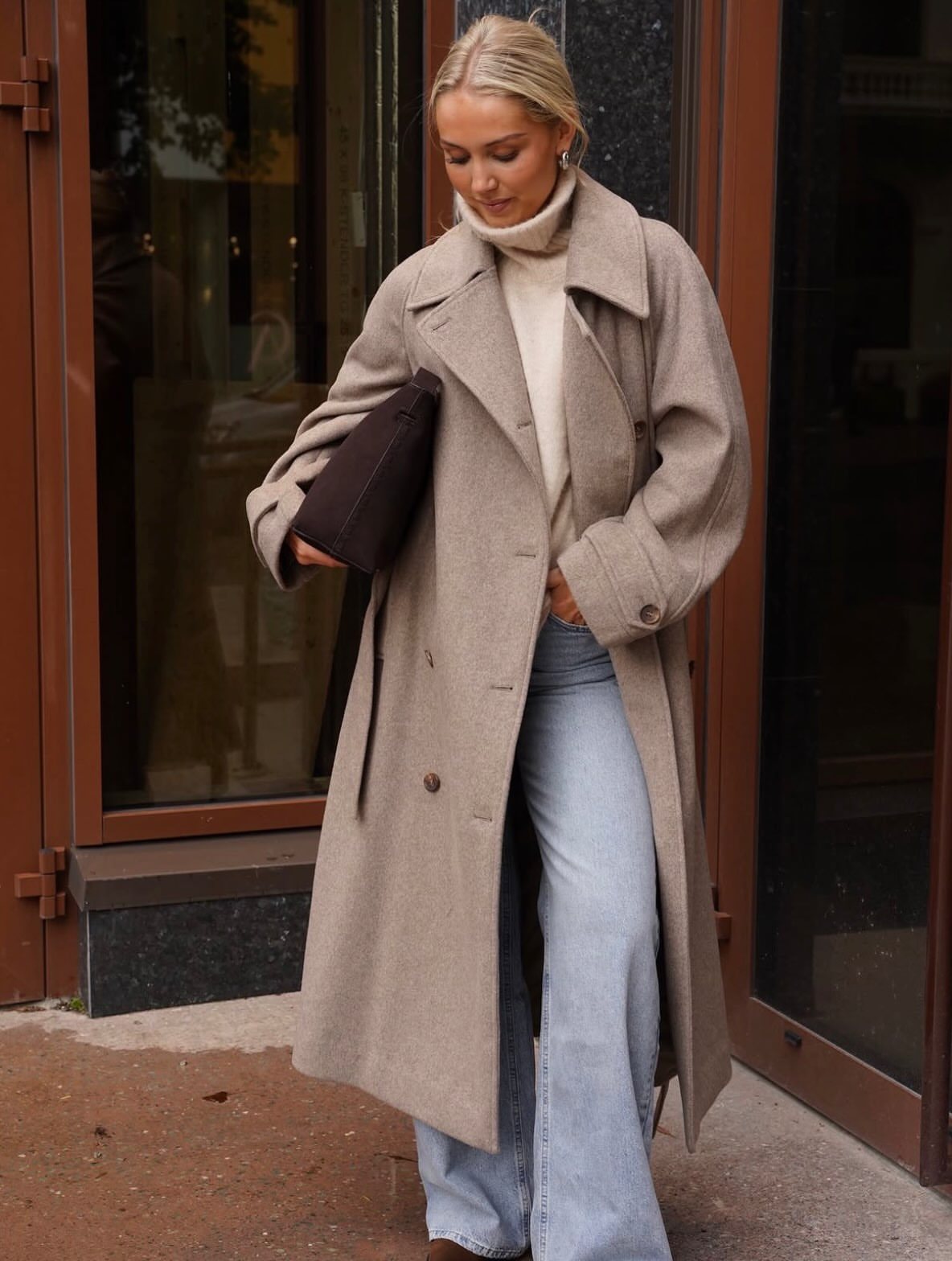
An oversized beige trench in dense Norwegian wool turns a classic silhouette into something that reads expensive from across the room.
The structured collar and single-breasted line work best on shoulders that can carry volume; if you are narrow through the frame, size down or the coat wears you.
The color gradient matters more than you would think. Oatmeal to camel shifts hide city grime and read as intentional; sharper contrasts look costume outside of editorial shoots.
I would check the armscye depth in person, since dropped shoulders on a tall frame can turn a deliberate slouch into a mistake.

Notch lapel, long sleeve, classic and dressy wool coat for women

Please check the "Size Chart" before ordering. Our size chart consists of two parts: the Body size and the Garment size. You can refer both size charts to pick appropriate size. If you have any size-related questions, feel free to contact us!

Premium Wool Blend Fabric: Crafted from thick wool blend material, this hooded peacoat womens delivers reliable warmth without feeling bulky. The smooth fabric offers good wind resistance, ideal for autumn cool weather and mild winter days. No scratchy texture, skin-friendly to wear all day long
2. Traditional Patterned Wool Coat

Traditional Norwegian patterning, the kind you see in Setesdal or Telemark knitting translated to woven panels, turns a coat into the sort of piece people remember.
The dark ground with small geometric repeats reads heritage without tipping into costume if you keep the rest quiet; a wide-brimmed hat and dark denim do the work of grounding it.
These coats run heavy, often double-woven for wind resistance, which means they are warm past where their weight suggests. The pattern placement varies by maker; some center a band at the hem, others run it yoke-to-cuff.
I would look for the narrowest repeat if you are on the shorter side, since large motifs shorten the line.

Cute woolen coats for women plaid, featuring vintage houndstooth plaid printed pattern design, flattering and comfy to wear for work and casual.

Elegant wool coats for women with hood & zipper, featuring unique knitted sleeves with "LOVE" letter printed design, fashion old money style, western and vintage to wear for work and casual.

Know Me sewing pattern kits include pattern pieces for cutting out the fabric, step by step written and illustrated instructions to guide you through the sewing process, information on how to select fabric and trims, and sizing information
3. Belted Hooded Wool Coat
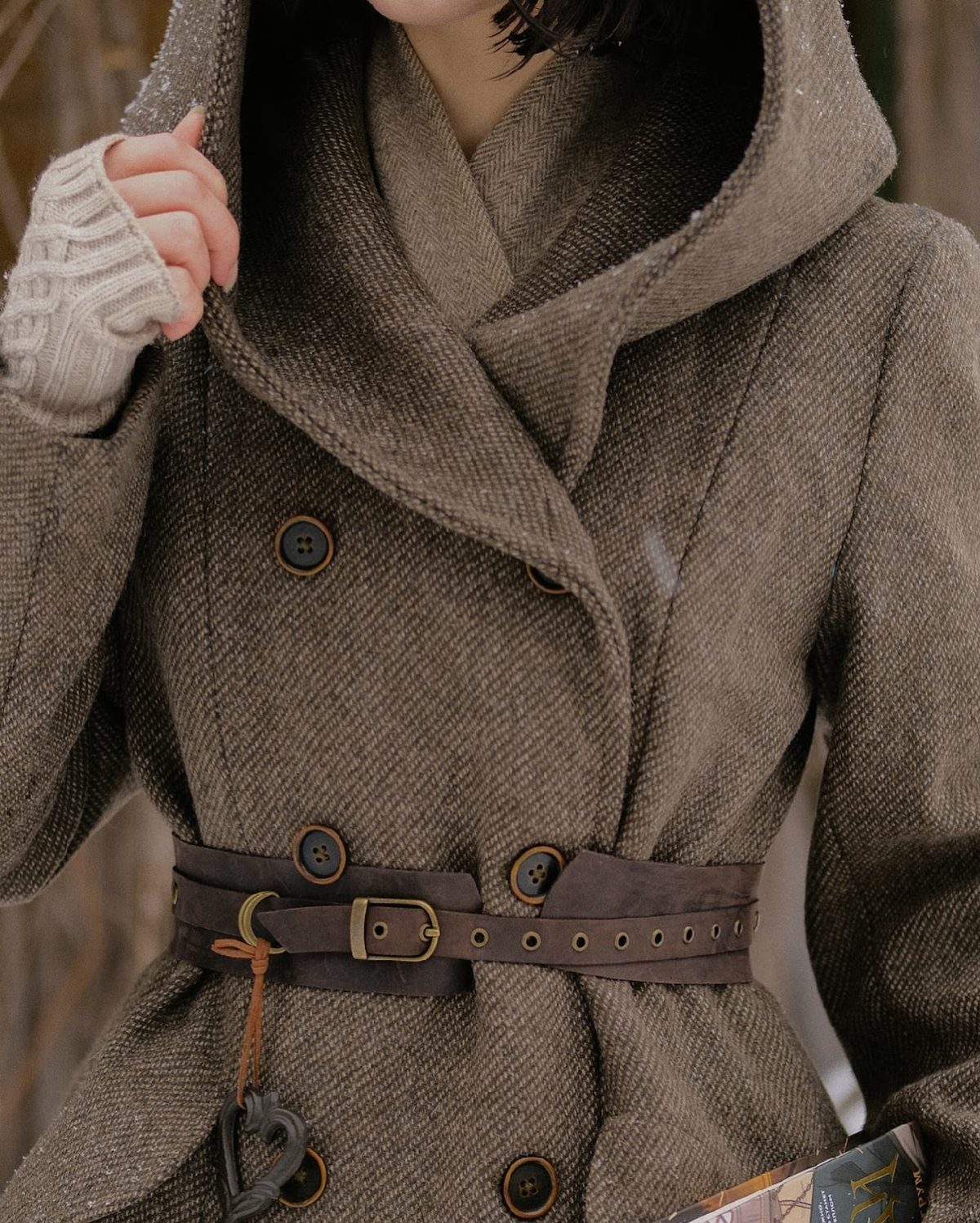
A hooded wool coat cinched with a leather belt solves the perennial problem of looking put-together while actually dressed for weather. The hood saves you from the umbrella-as-accessory look, and the belt keeps the volume from reading as shapeless.
The texture in this brownish-grey is boiled or felted wool, which repels light snow and packs better than a smooth weave.
I would choose the belt width to your height; a wider band works on a longer torso, but if you are short-waisted, a narrower belt keeps the break higher.
The olive military version with gold buttons trades some of this softness for authority; same warmth, different conversation.

【Dense Wool Blend】Woven from a sturdy wool blend composite that offers effective thermal insulation, excellent shape retention, and defense against brisk air

🔊【SIZE 】Not US or Amazon size. We are Asian size, it will be smaller than usual,please check our size in the last picture before you order it. (We recommend to choose a size or two above what you regularly.)

Size Guide: XS=US 0-2, S=US 4-6, M=US 8-10, L= US 12-14, XL=US 16-18, XXL=US 20-22. Last picture is the size chart, if you are not sure about the size, please contact us without hesitation.
4. Faux Fur Collar Wool Coat

A faux fur collar on a long beige coat is the single fastest way to make a neutral look deliberate.
The collar frames the face and lifts the whole garment out of office-coat territory; you can remove it for a cleaner line on milder days.
The Dunst version uses boucle wool with an 89% wool front and a removable brown fur collar in a mid-length cut.
That removable detail matters more than it sounds: dry cleaning fur trim every season ruins it faster, and being able to separate the pieces extends both.
I would budget for the cleaning, though, since a cheap fur collar mats and betrays the whole coat. Silver buttons read cooler than gold against beige; choose based on your jewelry.

Chic Cape Design & Flattering Belt: Stand out with this cape coat featuring a trendy wrap silhouette and a self-tie belt that cinches your waist, giving you a sophisticated, tailored look for any occasion

Design: The batwing sleeve poncho coat trendy,oversized stand collar pea coat,belted cape jacket.wool blend fabric,soft and comfortable. cropped length,button closure,and loose fit.this trendy winter cape coat offers a fashionable and elegant silhouette
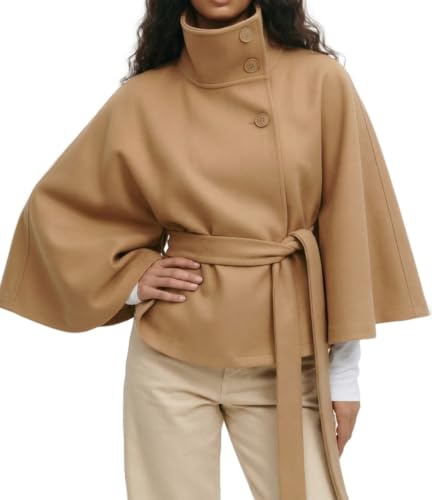
Features: Stand collar, cloak cape, batwing sleeve, cropped pea coats for women
5. Wool Cape Coat with Belt

A cape coat in tan wool with a thin belt and fur cuffs gives you the drama of a cape without the helplessness of no sleeves.
The cuffs are the practical touch; they warm your wrists and keep the line from floating away entirely.
The belt is doing more work here than in a standard coat, since a cape has no waist seam to anchor it.
I would knot it rather than buckle, for adjustability over layers, and check that the belt loops are reinforced; wool cape cloth stretches under pressure.
The faux fur on the cuffs picks up the same tone as the belt, which is the kind of quiet coordination that makes this read considered rather than theatrical.
Best for someone who does not need to carry much; a crossbody bag fights the line.

Please check the "Size Chart" before ordering. Our size chart consists of two parts: the Body size and the Garment size. You can refer both size charts to pick appropriate size. If you have any size-related questions, feel free to contact us!

Features: Long sleeve, classic notch lapel collar, double breasted front, side flap pockets, knee length

MATERIAL: Classic mens pea coat made of wool blend fabric, lightweight, warm and durable
Cost Considerations
A coat in genuine Norwegian wool starts high and climbs higher depending on the weave density and whether the pattern is hand-finished.
The material itself accounts for most of that: Norwegian wool has longer staple fibers than standard merino, which means less pilling over years but a higher cost per yard.
I would treat the price as a per-wear calculation rather than a single hit. A heavy double-woven piece worn through winter for years costs less annually than replacing a cheaper coat every other season.
If the budget is tight, look for a Norwegian wool blend with high wool content. You lose some of the water resistance and the coat will pill faster at friction points, but the drape and warmth hold up.
Avoid anything with low wool content; it will not perform like the real thing and the savings are not worth it.

Features: Notch lapel collar, side pockets, long sleeve, double breasted front closure, below the knee length maxi hem

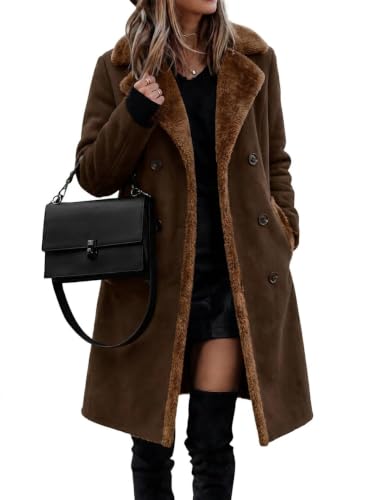
Features: Long Sleeve, notch lapel collar, below the knee length, side pockets and double breasted front closure
Frequently Asked Questions
Are Norwegian wool coats worth it?
A Norwegian wool coat carries its value in how long it lasts and how well it performs in real weather.
The dense weave and natural fiber handle temperature swings better than most synthetic fills, and the weight-to-warmth ratio means you are not lugging around bulk for the sake of it.
I would pay attention to construction details like reinforced seams and proper armscye depth, since those are what separate a coat that lasts a season from one that becomes the piece you reach for every winter.
What is a good brand of Norwegian wool?
Dunst comes up for good reason; their boucle wool pieces with removable fur collars show an understanding of how people actually wear coats day to day.
The 89% wool front on their mid-length cut is a practical specification that keeps warmth without sacrificing movement. I would look for brands that specify fiber percentage and offer removable trim, since that kind of detail usually signals better overall construction.
What are some popular Norwegian coat brands?
Dunst is the name that appears in this category with enough consistency to mention, particularly for their neutral-toned coats with modular elements like detachable collars.
Beyond specific labels, the better makers tend to share certain traits: specified wool percentages, reinforced stress points, and pattern scaling that accounts for different heights. I would judge by those construction markers rather than by brand recognition alone.