The turtleneck sweater styles below run from a chunky knit you can live in all weekend to a fine-gauge layer that disappears under a blazer, and the one that belongs in your closet depends on whether your day ends in an overheated office or on a friend’s floor.
1. Chunky Knit Turtleneck
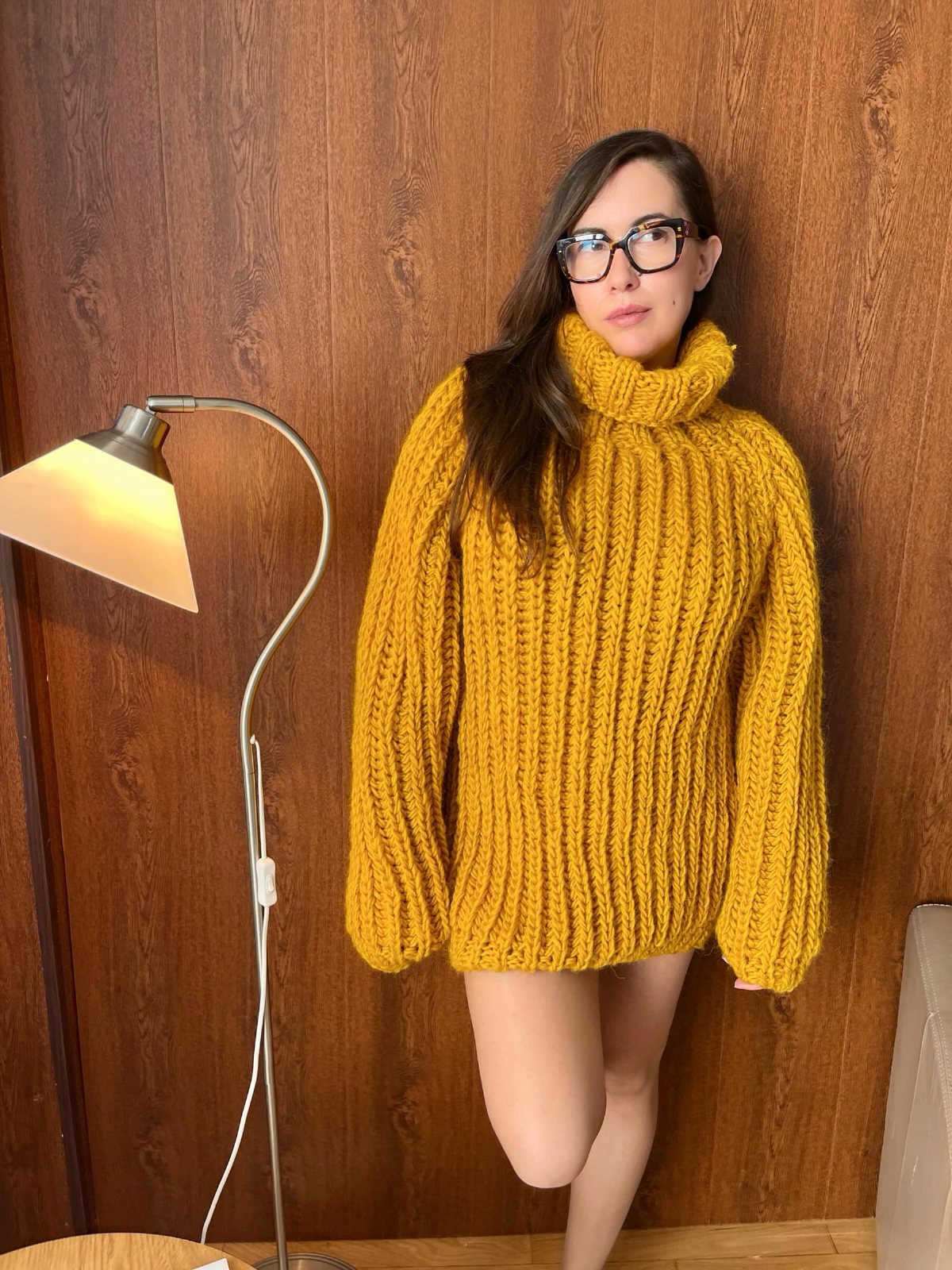
Mustard chunky knit has the kind of texture that turns a basic outfit into something people remember.
The cable or ribbed pattern catches light differently than a flat weave, and the relaxed drape means you can wear it half-tucked into tailored trousers or let it fall over leggings without looking like you gave up.
Wool breathes better than you’d expect from something this heavy. I’ve worn mine through a whole day that started below freezing and ended in an overheated office, and the sweater handled both without turning into a sauna.
Fit matters: oversized through the body but the neck should still sit close enough to keep heat from escaping.
This is the turtleneck for round faces and colder climates. Petite frames should check the shoulder seam; too far down the arm and the volume swallows you whole.

REGULAR FIT: Close but comfortable fit through chest, waist, and hips.

Material: Acrylic 100%, super soft fabric, skin-friendly, stretchy & breathable, comfy to wear.
2. Zipped or Buttoned Turtleneck Styles
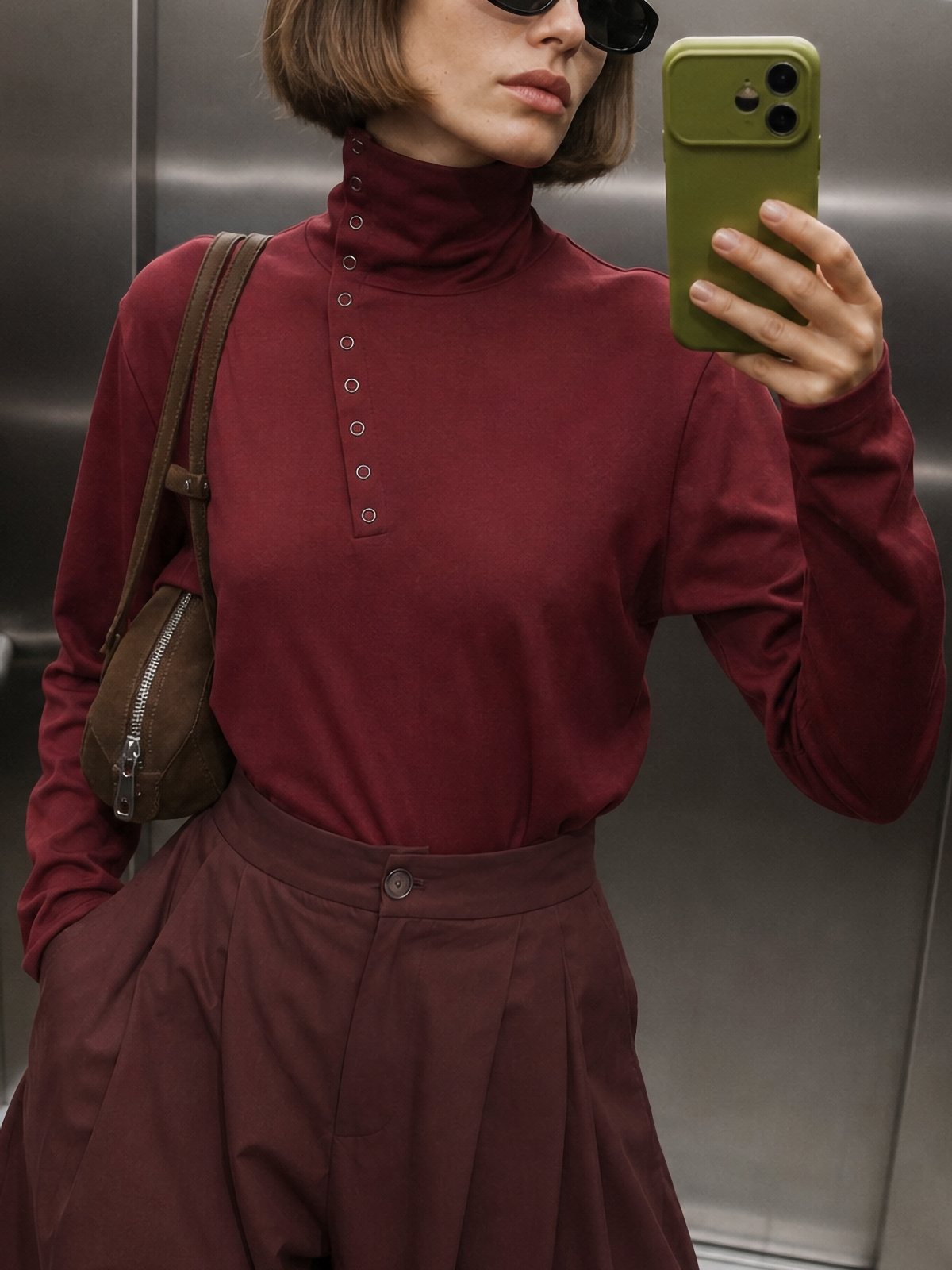
Burgundy head-to-toe with a buttoned neck gives you control most turtlenecks don’t. You can close every button for full coverage against wind, or open the top two and let the fold sit like a collar on a polo.
The weight matters more here than on a standard turtleneck. A lighter gauge works better for layering; add a denim jacket or bomber on top without the bulk fighting you at the seams.
Matching trousers make the buttons read as intentional design rather than hardware afterthought.
I’d pick this one for anyone who runs warm or commutes in unpredictable weather. The closure line draws the eye vertically, which helps a shorter neck but can emphasize a longer one.

Comfortable and versatile, this sweater is perfect on its own or as a layer under a blazer or jacket

CLASSIC FIT: Close but comfortable fit with easy movement.

[100% Merino Wool Comfort]: Crafted from ultra-fine 17.5µ GOTS-certified fibers, this women's turtleneck sweater offers breathable warmth and a soft touch—ideal for sensitive skin and cold-weather layering
3. Classic Turtleneck

Dark green against champagne satin is the combination that made me finally understand why this shape never left.
The turtleneck frames the face like a portrait, especially with hair pulled back or cropped short, and the full fold sits cleanly under a blazer without the bunching you get from lesser necklines.
For a version that reads formal, keep the knit fine and the fit close through the shoulders.
Tucking into a midi skirt works because the sweater has enough structure to hold the line; a slouchier knit would sag at the waist. Black heels and a structured bag finish it without competing.
This is the turtleneck I’d send someone to buy first. It costs more than fast fashion, but Toteme’s version at $670 is the kind of piece that replaces three cheaper sweaters that pilled inside a season.
Skin Friendly Fabric: This womens turtleneck sweater is made from high-quality soft knit fabric. Drop shoulder sweater won't itch or shrink, feels light and gentle on the skin. The comfortable and warm sweaters are perfect for wearing during the cold autumn and winter, early spring, or transitional seasons. Loose fit chunky sweater tops has just the right thickness, thick enough for warmth, but not bulky. Fabric Composition: 29% Anti-pill acrylic, 29%Viscose fiber, 28%Polyester, 14%Nylon

Material: Our turtleneck Sweaters were made of soft and skin-friendly knitted material. thick and warm, cozy to wear, easily put on and take off

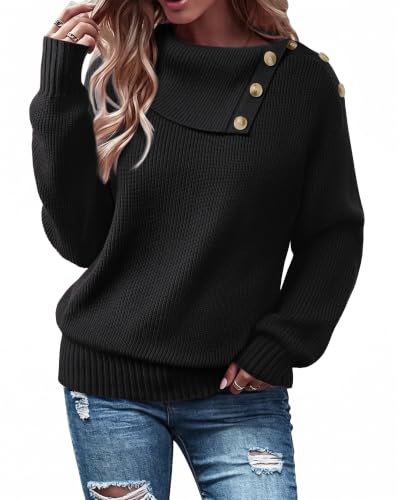
Asymmetric Button Detail: Black decorative buttons follow the diagonal front overlay from the turtleneck toward the hem, creating a distinctive look while keeping the ease of a pullover. The garment does not open at the front.
4. Fine Gauge or Lightweight Turtleneck

A black ribbed turtleneck this thin is doing the job of a dress shirt with none of the starch.
The fine gauge sits flat under a jacket, and the close fit means you can tuck it into high-waisted cream jeans without the bulk that ruins a line.
Steve Jobs made the black mock neck his uniform for a reason: it reads deliberate without demanding attention. The risk is that thin knit shows everything, including the outline of an undershirt if you choose to wear one.
I’d skip the undershirt and accept that this sweater needs more careful washing.
For transitional weather, this layer adds warmth without the commitment of wool. Check that the length reaches past your waistband; a short lightweight turtleneck that rides up looks like you borrowed it from someone shorter.

REGULAR FIT: Close but comfortable fit through chest, waist, and hips.

Knitted Fabric --- Mens casual quarter zip sweater is crafted from a soft, comfortable knit fabric. From its sturdy, durable stitching to its premium, wrinkle-resistant material, every detail is designed to stand the test of time—ensuring that the garment remains as fresh and new through every changing season.

Material Composition: 50% viscose, 22% polyamide and 28% polyester; This ultra-soft fabric offers warmth without weight. Breathable and lightweight, it ensures all-day comfort for dailywear
5. Cowl Neck Sweater

The draped fold on a cowl neck does something practical that a standard turtleneck doesn’t: it creates volume where you want it, drawing the eye up and away from the midsection.
Beige against white keeps the palette quiet so the shape itself gets the attention.
Slim bottoms balance the top. Leather leggings, a pencil skirt, or fitted trousers keep the silhouette from becoming shapeless.
A silver chain that falls above the fold keeps the jewelry visible; anything longer gets lost in the drape or tangles in the fabric.
This neckline flatters most body types, but the depth of the cowl matters. A shallow drape reads as a soft turtleneck; the dramatic fold needs confidence and a frame that can carry the extra fabric without disappearing inside it.

COMFY FABRIC: S=US 4-6,M=US 8-10,L=US 12-14,XL=US 16 Women Chunky Knit Sweater Delivers Comfort against The Skin with A Gentle Touch, Offering A Pleasant Wearing Experience Throughout The Day

COWL NECK DESIGN WITH OPEN FRONT DRAPE - This women's turtleneck poncho sweater features a cowl neck collar and an open-front shawl wrap silhouette. The cable knit pullover construction allows the fabric to fall over the shoulders and upper arms, forming a poncho-style drape without a defined sleeve seam.

Premium Knit Fabric: Crafted from soft, skin-friendly acrylic, this chunky knit pullover top offers both warmth and comfort. The breathable weave makes it cozy without overheating, perfect for all-day wear in fall and winter
6. Turtleneck Dresses and Longline Sweaters
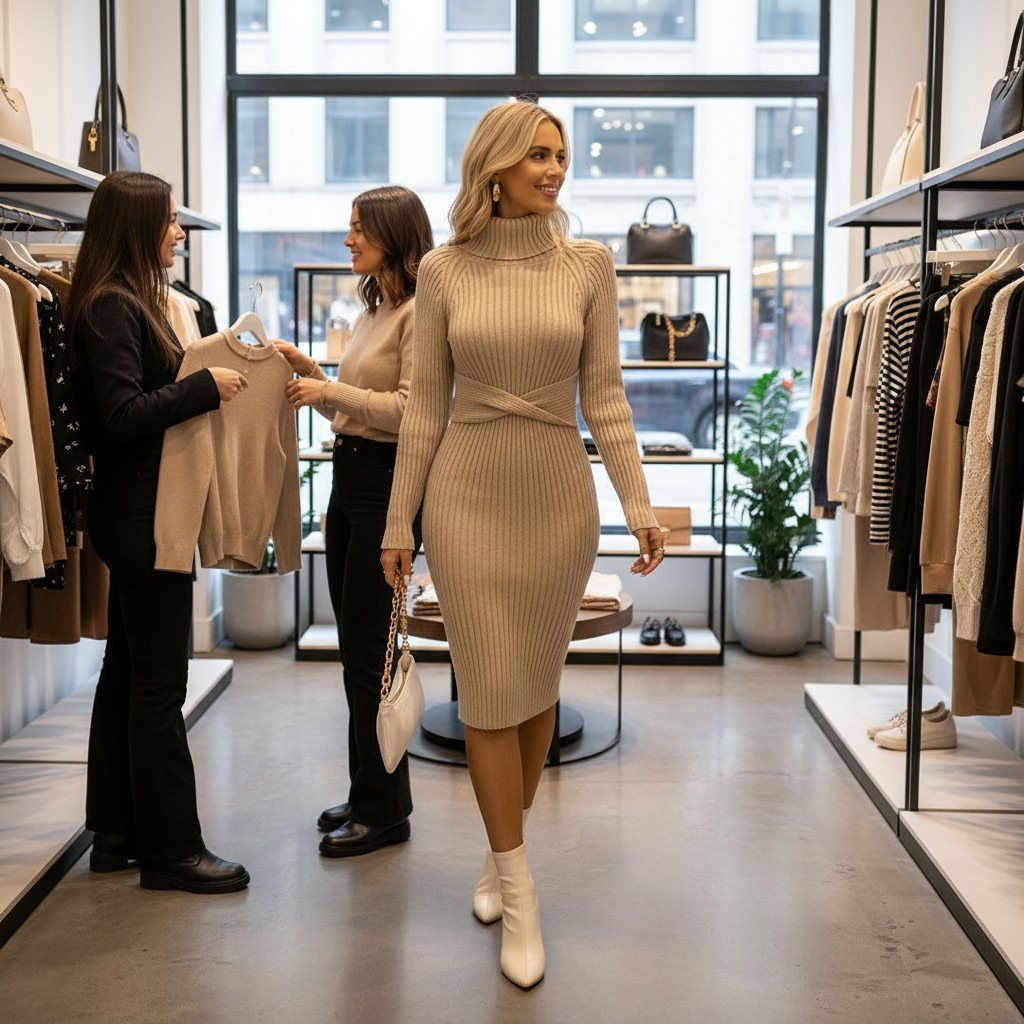
A ribbed turtleneck dress in beige is doing three things at once: the shape is conservative, the texture adds interest, and the color goes with boots in any shade you own.
A waist detail keeps it from reading as a column, which matters on a longer silhouette.
For work, add a pea coat and a structured purse. For weekend, swap in a denim jacket and a chunky scarf.
The same dress handles both because the knit has enough body to look intentional rather than like you forgot to change.
Longline sweaters that hit mid-thigh work with skinny jeans or leather leggings underneath; the dress version stands alone. Thigh-high boots bridge the gap between hem and knee, especially in winter when bare legs aren’t an option.

Cable Knit Turtleneck Poncho for Warmth: This mock neck poncho sweater is made of soft stretch knit that delivers cozy warmth on chilly fall and winter days, with a thick yet lightweight feel that never weighs you down

EXPERIENCE COZY WARMTH: Our winter sweaters for women are crafted from soft yarn, providing warmth and comfort for chilly days

Made of wool blend knitted fabric, warm, soft and skin-friendly, a basic staple for your fall and winter wardrobe
7. Layering Under Sweaters
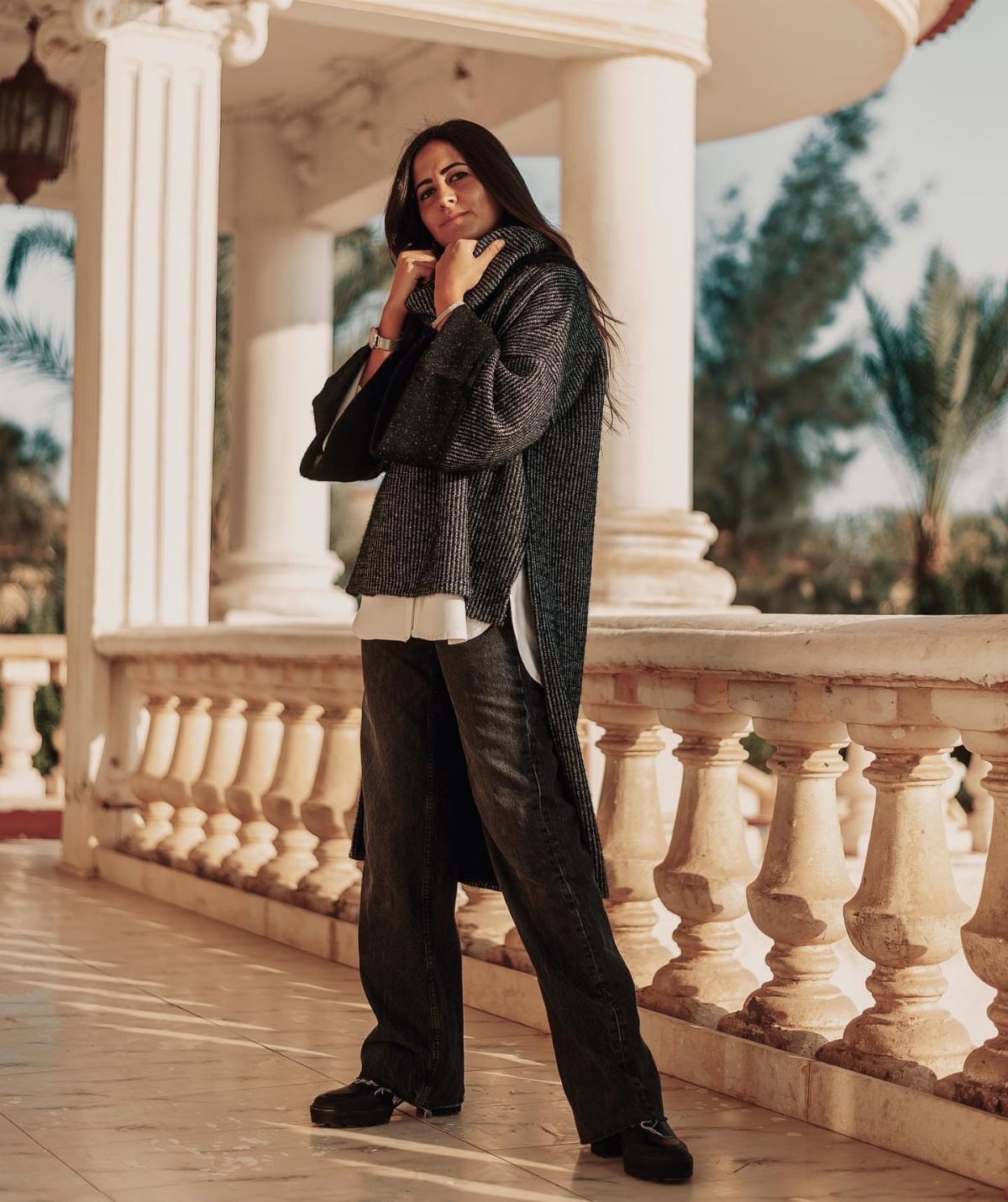
A white shirt collar peeking above a charcoal knit turtleneck turns a basic sweater into something intentional. A slim crewneck over a fitted black turtleneck keeps the line cleaner than the relaxed proportions of a high-low hem with wide-leg jeans.
The shirt underneath should be thin enough to lie flat; a bulky Oxford fights the sweater and you end up lumpy. Cotton or silk works, and the collar needs to stay crisp, so starch or a collar stay helps.
I like the white-collar contrast against dark knits, but a tonal match, cream on camel, reads more expensive and less student.
This suits anyone whose office runs cold or who wants one outfit to carry from morning meeting to dinner without a change.
Bulk gathers at the shoulder; if you are narrow-framed, stick to fine-gauge knits on top and save the chunky ones for outerwear.

SLIM FIT: Close fit that hugs the body.

CLASSIC FIT: Close but comfortable fit with easy movement.

[100% Merino Wool Comfort]: Crafted from ultra-fine 17.5µ GOTS-certified fibers, this women's turtleneck sweater offers breathable warmth and a soft touch—ideal for sensitive skin and cold-weather layering
8. Athleisure Styling

A zip detail does more work than a plain pullover; it breaks the line and makes the piece feel designed rather than thrown on.
That is the difference between looking like you came from the gym and looking like you understood the assignment.
Leggings in a performance fabric with some sheen, not cotton, keep the silhouette sleek.
I reach for hybrid sneakers that can handle a workout but do not scream sport, in black or white so they ground whatever color the top introduces.
A structured bag, that duffle shape or a clean crossbody, pulls the look away from lounge.
This works best for errands, travel days, or any Saturday where you might sit on a friend’s floor and also stop for coffee.
The limit is the workplace; even creative offices tend to read leggings as too casual unless the top is long and substantial. If your turtleneck is cashmere-cotton rather than tech fleece, you gain permission.


Soft & Smooth Fabric: Crafted from high-stretch core-spun yarn (47% Viscose, 32% Polyester, 21% Nylon), this sweater offers an exceptionally soft and smooth touch that feels like a warm hug. The premium knit fabric is skin-friendly and non-itchy, providing all-day comfort for a wide range of users

9. Casual Chic Look
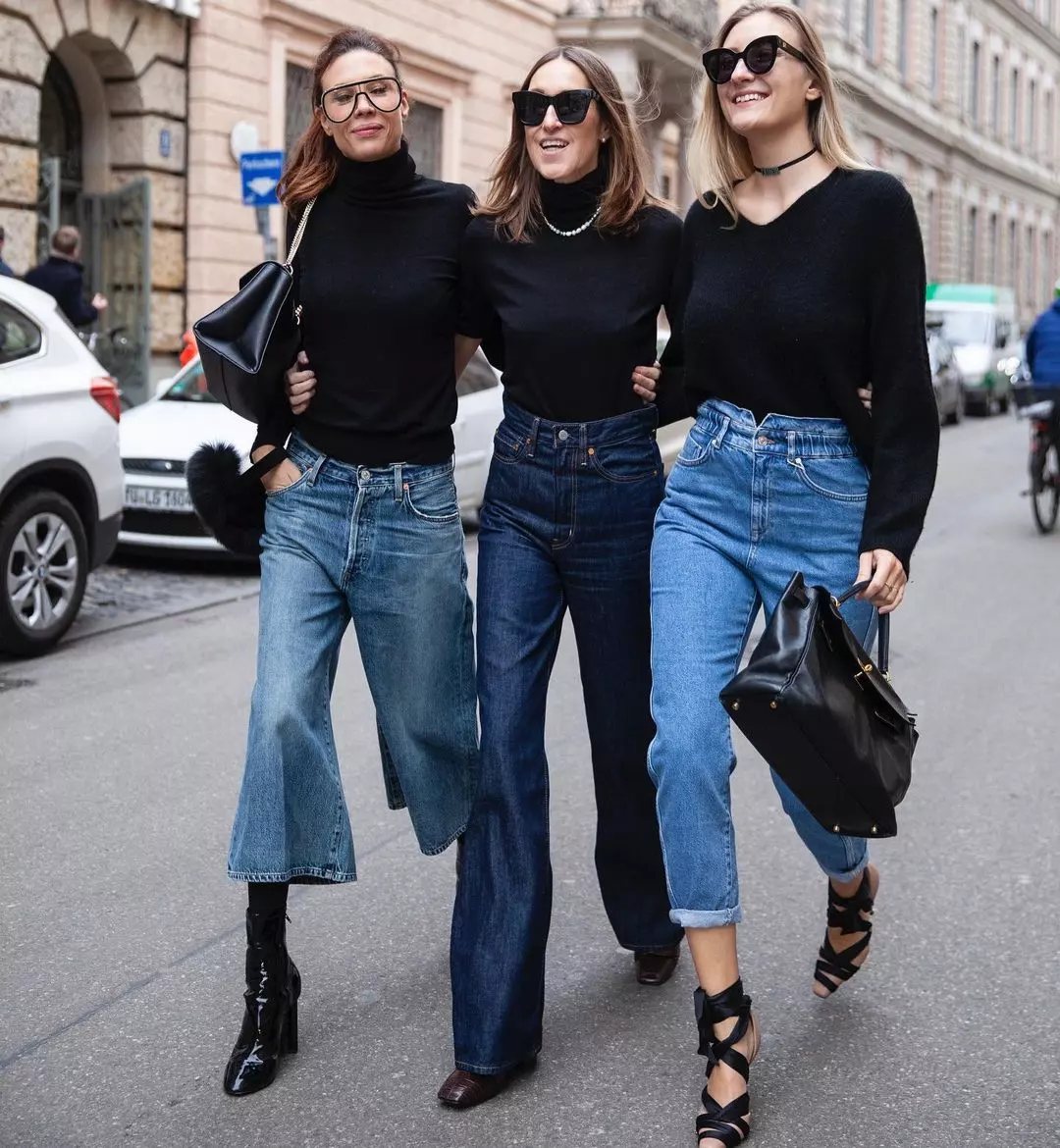
Three women in black turtlenecks and blue jeans, walking arm-in-arm, makes the case that the simplest version is often the best.
No one is wearing a statement coat or a loud print; the polish comes from fit and from each piece being the right weight for the others.
A sleeveless turtleneck vest over a long-sleeve tee extends this into transitional weather, and the 90s revival means you will find them again in wool and ribbed knit.
I would add over-the-knee boots in leather, not suede, if the skirt or dress is short; the boot replaces the need for tights and keeps the leg line continuous.
A low-heeled ankle boot or clean white sneaker works with denim, and the bag should be structured, not slouchy, to keep the casual from tipping into careless.
This suits anyone who wants to look dressed without the effort of actual dressing.
The risk is monotony; if your turtleneck and jeans are the same value, add a belt or a gold chain at the neck to break the block.

Turtle Neck Ribbed Sweater -- Knitted by Germany STROLL Machine to Ensure its High Quality Material: Highly Stretchable Viscose (Comfy Silky Smooth Feeling and Showing Off your Sexy Female Curve Silhouette)

***v28 women polo neck korea knit stretchable elasticity long slim turtleneck sweater.Model body size: tall tall 5'6'',bust 36.5'',wearing small

Knitted Fabric --- Mens casual quarter zip sweater is crafted from a soft, comfortable knit fabric. From its sturdy, durable stitching to its premium, wrinkle-resistant material, every detail is designed to stand the test of time—ensuring that the garment remains as fresh and new through every changing season.
10. Work Wear Styling

A sleeveless ribbed turtleneck under a matching blazer, with the jacket draped rather than worn, solves the overheated office problem without sacrificing the suit’s authority.
Pearl necklace and earrings add personality; in a conservative field, I would swap them for a single pendant or a watch.
Tailored trousers in the same tone as the top create a column effect that lengthens, and a sweater skirt in ribbed knit with a slit, tucked clean with Spanx-style shorts underneath, is my preferred alternative when pants feel expected.
The tuck is the hard part; the shorts hold the sweater in place and smooth the line so the skirt sits flat.
This works for offices where a blazer is standard and for anyone who finds collared shirts under jackets too stiff or too cold.
A turtleneck reads softer than a shirt and tie; if your workplace demands full formality, this is Friday-only. For everyone else, it is the easiest way to look like you planned the outfit in the dark instead of grabbing it.

COZY MATERIAL: S=US 4-6, M=US 8-10, L=US 12-14, XL=US 16. Made from Soft and Cozy Materials, Women Turtleneck Sweater Top Offers A Warm and Comfortable Feel

Fabric:POLYESTER:20%,VISCOSE:45%,NYLON:35%; Soft and comfortable to touch, warm and beautiful to wear

Fabric:POLYESTER:20%,VISCOSE:45%,NYLON:35%; Soft and comfortable to touch, warm and beautiful to wear
Turtleneck History and Evolution
The turtleneck started as armor padding in 15th-century Europe, not as fashion. Knights wore high-necked garments under chainmail and plate to keep the metal from pressing directly against skin; the longer neck took pressure off the throat.
Sailors and workers picked it up next, wearing the high neck for warmth through long shifts on deck or in the yard.
By the mid-20th century, the same silhouette had shifted from practical underlayer to standalone piece, picked up by artists and intellectuals who treated it as an alternative to the collared shirt and tie.
The jump from battlefield layer to city wardrobe staple took centuries, not seasons.
Material Choices for Turtlenecks
Wool still runs the show for winter turtlenecks, whether the knit is thick cable, soft cashmere, or fine merino. Cotton works better for mild days and reads more casual.
Synthetics appear mostly in blends, where they add stretch and help the sweater hold its shape through repeated wear. A chunky knit in pure wool has the most dramatic texture, but it is also the least forgiving under a jacket.
The turtleneck is winter’s unsung hero—a workhorse that makes cold-weather dressing not just tolerable, but actually a bit more fun.
— Vogue
Fit and Comfort Considerations
The neck should sit close enough to trap heat without pressing hard enough that you notice it with every swallow.
The right turtleneck sits close through the torso and sleeves but never binds; raising your arms or turning your head should feel easy.
For thin knits meant to replace a dress shirt, length matters more than it does on a casual pullover. Thick winter turtlenecks are cut roomier and are not designed to layer under tailored jackets.
Accessorizing Turtlenecks
A turtleneck replaces the dress shirt so completely that the accessories around it need to carry more intention.
Frequently Asked Questions
What are the different styles of turtleneck sweaters?
The main styles are classic, mock neck, chunky knit, cowl neck, zip or buttoned neck, and fine gauge or lightweight. A classic has the full fold that frames the face; a mock neck stops about halfway up.
Chunky knits add texture and warmth, while cowl necks drape rather than sit close. Zip or button closures let you control coverage, and fine gauge knits layer flat under jackets.
Are turtleneck sweaters still in style?
Yes, and they never really left. Dark green against champagne satin shows why the shape endures: it frames the face and layers cleanly under tailoring.
Steve Jobs wore the black mock neck for decades, and the 90s revival has brought back sleeveless turtleneck vests in wool and ribbed knit.
What is the best way to style a turtleneck sweater?
Layering and fit are what make it work. The shirt underneath, if you use one, needs to lie flat so cotton or silk works better than a bulky Oxford.