These 12 ideas run from a weekend crochet project to dry-clean-only outerwear, and the deciding factor is what your winter actually asks of you: dry cold, wet streets, or heated rooms where the coat comes off.
Penny Lane coats in camel or chocolate wool, chunky knits you can pull on without a mirror, and a disco top that only works indoors: each answers a different kind of winter day.
1. Penny Lane Coats

A Penny Lane coat reads as outerwear and costume at once, which is exactly why it still works.
The faux-fur trim on collar and cuffs frames the face and hands, so the rest can stay simple: jeans, a thin turtleneck, boots you already own.
I saw one in purple corduroy that made a case for color over safe camel, though natural tones layer more quietly into a weekday.
The cut runs long and oversized, which means sizing down is rarely worth it; the volume is the point. Dry clean only, budget for that.
I’d steer a petite frame toward a shorter fur-trimmed style instead, since this swallowing length trades easy movement for drama.

Soft Material: Women scarf is meticulously crafted from high-quality faux fur. The pile is lush and fluffy, with an exceptionally soft, skin-friendly feel. It doesn’t look bulky and will keep your neck warm during the cold winter months.

Warm Jacket: Womens winter jacket is made of soft-shell fabric with a plush faux-fur collar, traps warmth without bulk, oversized cut for a more fashionable look. Keeping you cozy and warm in fall and winter.
2. Chunky Knits

The 70s chunky knit was a hand-me-down aesthetic even when store-bought, and that slightly imperfect, heavy texture still signals warmth better than smooth merino.
Cable designs and turtlenecks in cream, rust, or that particular mustard yellow that photographs like a streetlamp look right with light-wash jeans and nothing fussy underneath.
A thick knit with a motif on the back, like the bucking horse I saw on one, works best when the front stays plain; you get the surprise without costume energy walking toward someone.
These take beating: hand-wash or they grow to a dress on you. For anyone between sizes, size up; the sweater should slump, not cling.

Soft Material: Our Turtleneck Knitted Sweaters for Women is made of high quality knitted fabric, warm, soft and skin-friendly. Stretch fabric perfect to fit your body shape. This sweater will keep you super warm while being very fashionable and casual in this fall and winter.

COWL NECK DESIGN WITH OPEN FRONT DRAPE - This women's turtleneck poncho sweater features a cowl neck collar and an open-front shawl wrap silhouette. The cable knit pullover construction allows the fabric to fall over the shoulders and upper arms, forming a poncho-style drape without a defined sleeve seam.

Embrace chilly days in this chunky cable-knit sweaters pullovers that will no doubt keep you warm with its turtleneck and relaxed silhouette. A bold cable knit amplifies the vintage attitude of this slouchy, casual-chic sweater.
3. Disco Fashion

Disco winter dressing is the one 70s lane where glamor wins over practicality, and the move is keeping the sequins under cover until arrival. Inside, the sequins do the work.
Brown sequins read richer than silver for a winter party; white fur freshens them against city grime. This trades walking ease for entrance impact, so I’d skip it for anything involving stairs or cabs.
For a standing-room party though, nothing else photographs as clearly.

Comfort in Effortless Style - We've crafted this sweater to be your daily favorite. The 60% cotton content ensures soft, breathable comfort, while the acrylic adds durability. It’s the perfect piece for undisturbed comfort during work and beyond, feeling cozy without the fuss.

REGULAR FIT: Close but comfortable fit through chest, waist, and hips.

Tips: S=US 4-6, M=US 8-10, L=US 12-14, XL=US 16-18, XXL=US 20. Made from soft yarn, this sweater delivers substantial warmth without feeling heavy or bulky, featuring a refined textured pattern and dimensional construction for aesthetic appeal
4. Crocheted Vests

Crocheted vests landed in the 70s as handmade leftovers from the 60s, and their loose, irregular weave still looks wrong when machine-perfect.
The granny-square version, bright patches over a black turtleneck with jeans, works because the darkness underneath anchors the chaos. I like the vest open and slightly oversized, not belted or fitted; the shape should hang like you borrowed it.
Finding one means vintage shops or someone who actually crochets, since mass-produced versions miss the drape. If you already knit, this is a quick project that costs little in wool.
For anyone else, budget enough to cover materials and the patience to search.

Material: Soft and comfortable fabric, fabric has no stretch

SHINY SEQUIN WESTERN FRINGE TOP: Stand out in this sequin western fringe top designed for women. Available in standard classic black, bold red, rich wine burgundy, sparkling silver, elegant champagne, hot pink, and deep emerald green, its vibrant fringe tassels capture light and shadow perfectly for every country concert, holiday party, or music festival

【Lasting Sparkle, All-Day Comfort】Crafted with premium all-over sequins and a soft full lining, this top maintains its brilliant shine and shape through many wears. The comfortable lining prevents itching, ensuring you feel as fabulous as you look for any occasion
5. Fringe Details

Fringe on a jacket moves when you move, which is why it reads as 70s rather than merely vintage.
The black leather version, long fringe over a patterned shirt and high-waisted jeans, works because the fringe is the statement and everything else supports it.
On accessories, fringe is safer but often looks like an afterthought; on the jacket itself, it commits. Suede or leather holds the weight better than synthetic, though synthetics have improved.
Dry clean or specialist leather care, so factor that in. I’d put this on a tall frame over a short one, since horizontal fringe lines cut height.
For petites, a fringed bag or scarf gets the nod without the overwhelming.

Material: Cotton and polyester fibers, comfortable and breathable, soft fabric with a little elasticity, very comfortable to touch, very sturdy and durable

HAND-CROCHETED GRANNY SQUARES:Each top features colorful floral granny square motifs crocheted and joined by hand. Natural variations in flower colors, placement and crochet texture give every piece its own handcrafted character.

HANDMADE FLORAL CROCHET – Hand-crocheted granny squares bring colorful flower motifs and textured stitching to this sleeveless vest. The openwork pattern adds a distinctive vintage-inspired touch to simple everyday outfits.
6. Shearling Jackets

Shearling in the 70s meant the real thing, but the tan suede and dark brown faux-fur lining I saw in a mirror selfie gives the same visual weight without the maintenance terror or the price.
The coat runs long, past the hip, which makes it coat rather than jacket and changes how you layer underneath; a thin knit suffices since the shearling does the insulating work.
Suede exterior needs weatherproofing spray before first wear, and still, I’d hesitate in real rain. For a dry cold climate, this is hard to beat.
In wet winters, a waxed cotton or treated wool version trades some look for actual protection, and I’d make that trade by February.

Side pockets with zipper detailing. Long sleeve puffer coat let you gorgeously meets with cold weather. NO HOODED DESIGN.
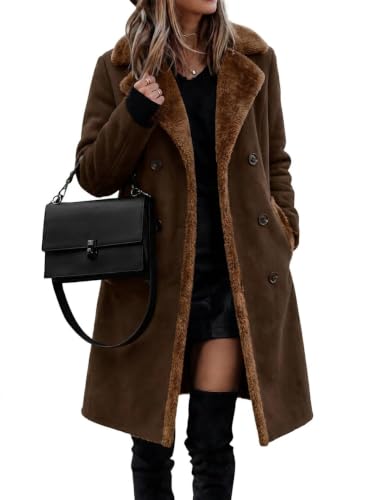
Features: Long Sleeve, notch lapel collar, below the knee length, side pockets and double breasted front closure

Belted Trench with Faux Fur Collar: This Bellivera women's faux suede trench coat features a structured mid-length design with long sleeves. The detachable faux fur collar lets you switch between a warm fur-trimmed look and a clean plain-collar style — great for different weather or outfit choices.
7. Embroidered Faux-Fur Trim Jacket

The embroidered faux-fur trim jacket takes the Penny Lane coat one step further, adding needlework that reads handmade rather than mass-produced.
I look for dark bases with contrast stitching in rust, cream, or forest green; the fur trim should be thick enough to frame the face without swallowing it. A woven crossbody bag keeps the look grounded, not costume.
This one demands a little height. Platform boots or a stacked heel balance the volume up top.
For everyday wear, I’d swap the updo for loose hair; the collar competes otherwise.
Best for someone who already owns one statement coat and wants a second with more personality. The embroidery limits mixing with other patterns, so your scarf and bag stay solid.

Embrace chilly days in this chunky cable-knit sweaters pullovers that will no doubt keep you warm with its turtleneck and relaxed silhouette. A bold cable knit amplifies the vintage attitude of this slouchy, casual-chic sweater.

Made of soft, skin-friendly high quality knitted material, breathable and cozy to wear. Casual knit sweater for women to wear in cold morning, spring, fall or winter days.

Fabric:POLYESTER:20%,VISCOSE:45%,NYLON:35%; Soft and comfortable to touch, warm and beautiful to wear
8. Turtleneck and Pleated Midi Skirt

A black turtleneck and brown pleated midi skirt is the 70’s outfit you can build from pieces already in your closet.
The neck scarf is what makes it period-accurate; silk or rayon in a geometric print, tied loose, not flight-attendant tight.
I prefer the skirt in a heavier wool or crepe that holds the pleats through a day of sitting. The flats keep it walkable, but this same pairing works with knee-high boots when the temperature drops.
The proportions matter: the skirt should hit mid-calf, not ankle, or the silhouette goes frumpy instead of long-line.
This is the entry point for anyone nervous about 70’s dressing. Nothing here reads costume, and every piece earns its keep in other outfits.

EXPERIENCE COZY WARMTH: Our winter sweaters for women are crafted from soft yarn, providing warmth and comfort for chilly days

Soft Fabric: Women's sweater is made of skin-friendly knit material, lightweight and cozy

This winter sweater is made from 100% acrylic material,featuring a soft,stretchy,and warm knit design with solid colors;The chunky sweater is a great choice for aesthetic women’s fall and winter fashion in 2026
9. Leather Jacket and Wide-Leg Trousers

The leather jacket and wide-leg trousers combo borrows from the decade’s menswear lean while keeping the shape fluid. I go for a cropped jacket, not a blazer length; the shorter cut lets the wide leg read as intentional, not swallowed.
The graphic tee layered over a white collar is a move worth stealing even if you change everything else. A red boot or belt pulls the palette together if the rest runs neutral.
Faux leather works fine here, especially in a cognac or oxblood that softens with wear.
This suits someone who wants edge without the full rock uniform. The trousers need to be pressed; creased wide legs look sloppy, not relaxed.

Match: Fall tops are a great match for jeans, leggings, skinny pants, and high-waisted pants; Also, it can match with earrings, necklaces, and high-heeled sandals to create a stylish look; It can be used as an undershirt in a windbreaker, jacket, or cardigan to keep warm in colder weather

【COWL NECK】This cowl neck tops drapes in a pretty way in the front and in the back.Its just right shows your unique feminine charm, sexy but elegant. The stylish ruched slimming off shoulder tops for women parties cocktails are flattery for most shapes, as they disguise both chests that need augmenting or diminishing

Match: Fall tops are a great match for jeans, leggings, skinny pants, and high-waisted pants; Also, it can match with earrings, necklaces, and high-heeled sandals to create a stylish look; It can be used as an undershirt in a windbreaker, jacket, or cardigan to keep warm in colder weather
10. Faux Fur Coat with Flares

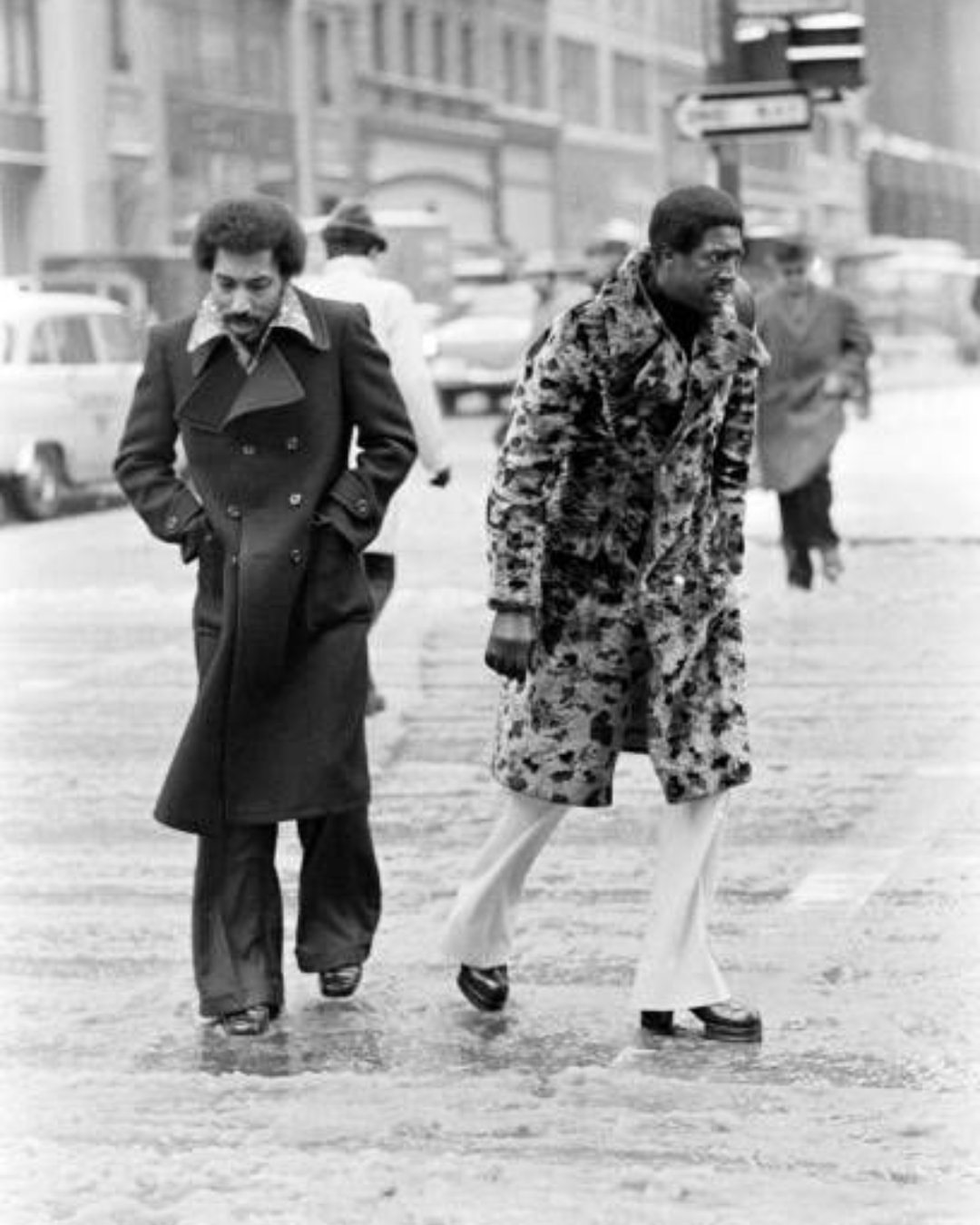
Two women in voluminous faux fur and flares make the case for going all in. The coat is the investment; the trousers underneath can be thrifted corduroy or denim.
I look for cream or caramel fur, not white, which reads bridal, and not black, which loses the 70’s warmth.
The turtleneck underneath should be thin, not chunky, or the coat won’t close cleanly. Retro sunglasses complete the look but come off indoors without ruining anything; they’re optional, not structural.
This is for the reader who already owns a good coat and wants one ridiculous, wonderful piece for events. Storage is the tradeoff: faux fur demands space and a garment bag.
Platform boots add the height that makes the wide leg hang right.


HAND-CROCHETED GRANNY SQUARES:Each top features colorful floral granny square motifs crocheted and joined by hand. Natural variations in flower colors, placement and crochet texture give every piece its own handcrafted character.

HANDMADE FLORAL CROCHET – Hand-crocheted granny squares bring colorful flower motifs and textured stitching to this sleeveless vest. The openwork pattern adds a distinctive vintage-inspired touch to simple everyday outfits.
11. Vintage Plaid Skirt Suit

A vintage plaid skirt suit layered over a grey cable-knit turtleneck bridges office-appropriate and period style. The belt is non-negotiable; without it, the boxy jacket swallows the waist entirely.
I like a leather belt in a tone that picks up one color from the plaid, not a contrast that fights it.
The tall boots extend the leg line; ankle boots cut it off at the wrong place. A midi skirt length, not mini, keeps the look grown-up.
The grey turtleneck reads softer than black and works with more plaid palettes.
This suits someone who needs to look pulled-together for meetings but is tired of modern suiting. The pieces split apart easily: the jacket with jeans, the skirt with a cream sweater.
12. Plaid Wool Jacket and Turtleneck

An earthy plaid wool jacket over a bright red turtleneck is the color lesson I’d forgotten I needed. The jacket’s green-brown-orange ground could turn drab; the red underneath wakes it up like a signal flare.
A thin gold necklace is enough; anything larger competes with both patterns.
Wool weight matters here. A jacket thick enough for real warmth has enough body to wear open or belted; a lighter layer collapses.
I look for lapels that sit flat, not ones that roll away and expose too much turtleneck.
This is for the reader who builds outfits from the outside in, starting with a good jacket. The red turtleneck repeats under at least three other pieces in a tight winter wardrobe, so the cost per wear drops fast.
Mixing Textures
Texture mixing in 70s dressing works when each material reads clearly against the next. A crocheted vest over a thin wool turtleneck gives you open weave against smooth knit, and the eye registers both.
Suede or leather fringe against denim operates the same way: the stiff cotton grounds the moving trim. The mistake is piling too many competing textures at once.
Three is the practical limit before the outfit starts reading as costume.
Wool and suede pair naturally for winter because both matte surfaces let the shapes do the talking. A shearling-lined suede coat with a cable knit underneath repeats the fuzz-to-smooth rhythm without introducing a third voice.
If you add crochet, keep it small: a belt or a bag, not another layer. The 70s look depends on each material being legible, not on wearing everything at once.
Color Palette
The 70s winter palette centers on rust, mustard, and olive green, colors that read warm under sodium streetlights and flat winter sun.
These shades are the main event, especially in knitwear and outerwear, not accents you tuck in around the edges. Mustard yellow in particular photographs with a glow that cooler yellows lose by November.
Earth tones layer into each other without the sharp contrast of black, which is why a camel or tan shearling works more quietly than a black leather version even when the silhouette is identical.
Purple works best as a single color statement rather than a layer, which is why the Penny Lane coat lands so hard.
For winter specifically, these colors also hide wear better than cream or white. A rust cable knit looks intentional on day thirty; the same sweater in cream reads as stained.
Accessorizing
A 70s outfit lives or dies in the accessories because the clothes themselves are often simple in cut.
A wide leather belt with a heavy brass buckle breaks up a long shearling or Penny Lane coat and gives the waist a location.
Scarves work best when they repeat a texture already present: fringe on a fringed jacket, wool on a wool coat. A silk scarf reads as 60s holdover; save it for another decade.
Jewelry in this era ran heavy: thick chains, oversized pendants, metal that clinked. One piece at that scale suffices.
Stack thin rings if you want more, but a single large pendant over a turtleneck carries the weight better than multiple competing statements. Handmade or hammered finishes fit the slightly imperfect 70s ethos better than polished precision.
For bags, a fringed suede crossbody or a tooled leather shoulder bag continues the material story. The bag should look like it came from the same world as the coat, not the same store on the same day.
The ’70s differentiates itself as a decade in style due in part to an emphasis on tailored silhouettes, ease in style, and the Halston effect.