Winter evening dresses run from jersey slips that layer over thermals to full brocade gowns that hold their shape across a midnight party, and the deciding factor is not the dress code on the invitation but the venue temperature and how long you will actually sit.
Velvet holds heat where chiffon fails, stretch satin forgives a long dinner, and an inch of break at the toe is all the floor-length hem needs.
1. Rich Fabrics for Winter

Velvet holds heat the way chiffon never will, and that weight reads as luxury under dim ballroom lights.
Stretch satin and heavy crepe work too; they skim the body without clinging and keep a polished line from coat check to midnight.
I reach for velvet when the venue runs cold, satin when I need something that photographs without wrinkling. For a black-tie gala, regular satin holds structure better and looks more formal.
Stretch satin wins if dinner seating runs long and you want to breathe.

Design: This women velvet maxi dress features a classic square neckline that elegantly accentuates the collarbone, elongates the neck, and highlights the beautiful curves of the upper body. The long sleeves and semi-sheer mesh back add a touch of sophistication. The high slit is sexy and alluring, perfectly showcasing your graceful figure.

Fabric: the wrapped velvet maxi dress for women is made of 95% Polyester and 5% Elastane, soft and stretchy party dress, is breathable and comfortable to wear. package:1* cocktail dresses for women.
2. Deep Jewel Tones

Midnight blue reads black in some lights and then catches the flash of a camera as something richer.
Burgundy, emerald, and plum do the same: they flatter skin tones that winter has drained and hold their depth under candles or overhead spots.
Black is the safe default, but navy or plum gives you something to work with when the room is half wearing it. I’d pick emerald for a December wedding where pine and white flowers share the table.

Red Purple Velvet Shawl Size: this burgundy velvet shawl and wrap is crafted with excellent coverage and sufficient length measuring 75 x 27 inches, ensuring your shoulders and arms are covered; This gives your hands the freedom to move while keeping you enveloped in style; Its size fits most women, serving as a versatile accessory that can be worn as a scarf, shawl, or wrap; This shawl wrap is a nice accessory for spring, summer, fall and winter, which will make you look elegant and youthful

STYLING: This long mock one-piece gown provides a sophisticated look for any Mother of the Bride or Groom, as well as formal evening events. Luxurious stretch lace bodice adorned with shimmering sequins throughout, ensuring you sparkle at your special event.

ELEGANT TWO PIECE FORMAL DRESS: Includes elegant long dress and lightweight chiffon shawl. (Please note that if you receive a dress without a shawl, please contact us. We will do our best to solve the problem for you and ensure your shopping experience.)This ladies formal dress is made of soft fabric, maxi and lightweight so you can enjoy your event with grace. The shawl is perfect, lightweight and elegant, it drapes beautifully and covers your arms. Perfect for a wedding or formal event.
3. Long Sleeves

Bell sleeves or fitted cuffs let you skip the wrap at the coat check and still feel dressed. The cut matters: a tight sleeve under a velvet bodice looks vintage, a wide flare turns the dress into the whole statement.
Jersey and velvet both take a long sleeve without bulk; chiffon needs lining to work in January. Consider the event length.
A long dinner means any sleeve weight works. A midnight party, and I want something I can raise my arm in without overheating.

Long sleeved flattering gowns; slimming maxi dresses with sleeves; Sangria Wine plus sized clothing for women; floor length dresses for the curvy lady; comfortable and elegant dresses for the tall curvaceous woman; cute full figure frocks

Size Attention: Please refer to the size chart on the pic before ordering

Size Attention: Please refer to the size chart on the pic before ordering
4. Floor-length Silhouettes
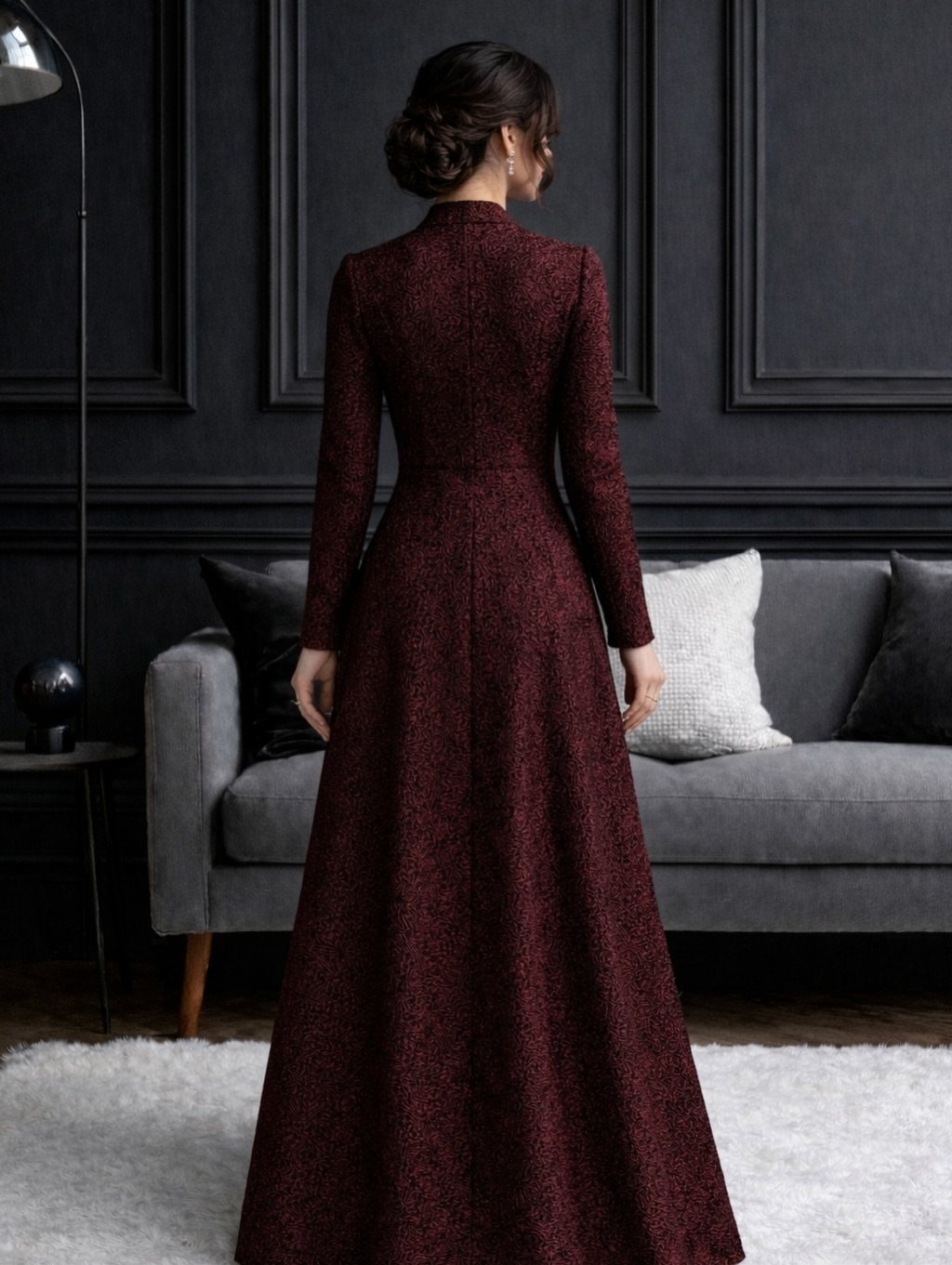
A hem that brushes the floor covers the tights you are definitely wearing and the shoes you spent too much on. The line should skim, not pool; an inch of break at the toe is enough.
Brocade and textured weaves hold the shape of a full skirt better than jersey, which can read limp in motion. For a cocktail-to-black-tie party, a floor-length gown in a heavier fabric signals you understood the assignment.
Midi leaves you deciding between boots and sheer tights, and neither looks right.

FABRIC: This formal wedding guest dress is made of stretch satin,glossy smooth,Wrinkle-resistant,SlimFit.Pairing with lightweight sheer chiffon cape.Suitable for spring,summer&fall

Material : very stretchy ,super soft, very comfortable and flattering
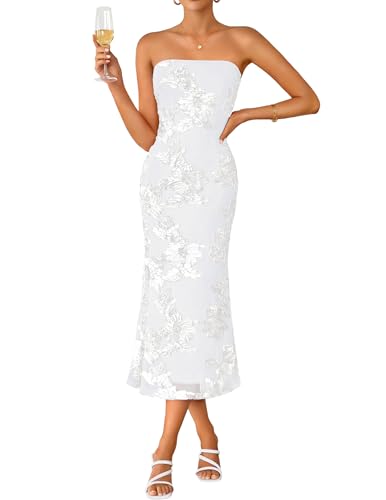
Size and Material: S=US 4-6, M=US 8-10, L=US 12-14, XL=US 16-18. Suitable for spring and summer wear. Elasticity: Slight. Fabric Handfeel: Soft. Fit: Slim. Lining: Fully lined for opacity. No pockets. Tips: The summer dress features non-slip strips, so you don't have to worry about it slipping off
5. Satin Advantages

Satin catches light from every angle, which matters when the sun sets early and every photo runs on amber bulbs or flash.
The drape is the thing: bias-cut falls straight and moves well, a structured ball gown holds its architecture across an entire evening. Layering helps in winter.
A slip dress works with a thin thermal underneath; a column gown in regular satin does not, so plan the venue temperature before you pick the cut. Stretch satin travels better and forgives a long dinner.
Regular satin photographs more formally. I’d choose regular for a seated gala, stretch for a wedding with dancing.

MODERN SOPHISTICATION: From black-tie events to elegant dinners, this menswear-inspired tuxedo dress elevates every occasion with a double-breasted silhouette, satin accents, and a floor-sweeping skirt that balances timeless elegance and elevated glamour.

Fabric: Made of 95% polyester + 5% spandex, this dress offers a body-hugging fit while keeping you comfortable all night.

Stretch Sequin fabric with moderate stretch & slim fitting
6. Sequin Glamour

Sequins turn the light you are given into the light you want, which is exactly what a winter evening event needs.
Weight and duration are the real problems: a fully sequined dress can feel like armor after a while, and sitting creases the backing in ways that show.
I save full sequin coverage for shorter parties or for standing cocktails where I never sit. For a longer night, sequin panels or a beaded bodice with a plain skirt give the same flash without the fatigue.
Silver reads celebratory; gold warms under indoor light. Either works for New Year’s, but I’d check the host’s usual decor first and match or contrast deliberately.

Design: This women velvet maxi dress features a classic square neckline that elegantly accentuates the collarbone, elongates the neck, and highlights the beautiful curves of the upper body. The long sleeves and semi-sheer mesh back add a touch of sophistication. The high slit is sexy and alluring, perfectly showcasing your graceful figure.

Elegant , retro , Gorgeous, cute winter autumn long dress

Sizes: S=US 4-6, M=US 8-10, L=US 12-14, XL=US 16-18; Crafted from velvet fabric, this off shoulder dress offers a cozy and skin friendly touch with a slight stretch and no pockets. The full lining ensures all day comfort and a smooth silhouette without transparency
7. Accessorize for Warmth

Closed-toe heels keep the cold from creeping up through the floor, and a tailored coat in a matching or complementary tone beats piling on a puffer in the venue coat check.
Removable coverage works for outdoor arrivals and photos, then comes off indoors. Heavy fabrics like velvet or satin on the dress itself hold heat better than chiffon or thin jersey.
Check the venue temperature beforehand; some ballrooms run hot enough that a wrap stays on your chair all night.
If the event moves between spaces, a bolero that buttons or ties lets you adjust without a full costume change.

STYLING: This long one-piece mock dress provides a stunning look for any Mother of the Bride or Groom, as well as formal evening events. Luxurious stretch lace bodice adorned with shimmering sequins catches the light, ensuring you sparkle at your special event.

Please carefully refer to the size chart on the detail page before purchasing,The material of the dressis inelastic, please choose a size up if you don't want a too tight fit effect. SIZE RECOMMEND: US 4/6(Small), US 6/8(Medium), US 10/12(Large), US 12/14(X-Large), US 16/18(XX-Large).

Exquisite Lace & Sequin Craftsmanship: Delicate 3D floral lace overlay embellished with sparkling sequins decorates the bodice and skirt. 3/4 sheer sleeves offer modest coverage.
8. Metallic Colors

Gold sequins catch candlelight in a way navy or black simply cannot, which makes them my pick for New Year’s Eve or any winter celebration where the room runs dim.
Silver and gunmetal read cooler and more modern; they suit contemporary venues and pair cleanly with silver jewelry rather than mixing metals.
Long sleeves and a draped cut keep metallic fabric from reading as costume. Floor-length matters here: a short gold dress tips toward prom, but full length holds the glamour.
Photographing in mixed lighting, metallics can blow out or turn muddy. Test your phone flash against the fabric if the photos matter to you.

Size Tips: The elastic smocked back gives this plus size chiffon dress a flexible, comfortable fit, while the A-line skirt offers easy movement and room for apple and pear figures. Check the brand size chart before ordering

Floor length plus sized long sleeved dresses and gowns for women; full figure maxi's for the curvy lady; womans versatile floor length Crimson Dark Red dresses with full sleeves; ladies oversize dress; slimming evening gowns; flattering frocks

Black long sleeved flattering gowns; slimming maxi dresses with sleeves; plus sized clothing for women; floor length dresses for the curvy lady; comfortable and elegant dresses for the curvaceous woman; cute full figure frocks
Choosing the Right Neckline
High necklines frame the face and keep heat from escaping where a coat collar stops. A boat neck or portrait neckline sits wide on the shoulders without exposing them; it pairs with an updo and earrings without competing.
Off-shoulder cuts work only in heated ballrooms, and only in velvet or heavy satin that holds structure against bare skin.
Cold-shoulder cutouts split the difference, though in winter they read as indecisive: too much exposure for the season, too little to feel intentional. For a black-tie dinner, a high neck in crepe or satin looks finished without a necklace.
I’d skip off-shoulder for any event with outdoor photos or a drafty entrance.

Material: Polyester, spandex. Double-sided thick satin, without lining, white dress is a bit see-through.

Material:This dress is made of quality fabric 90%Polyester+10%Spandex, soft, stretchy and comfortable.
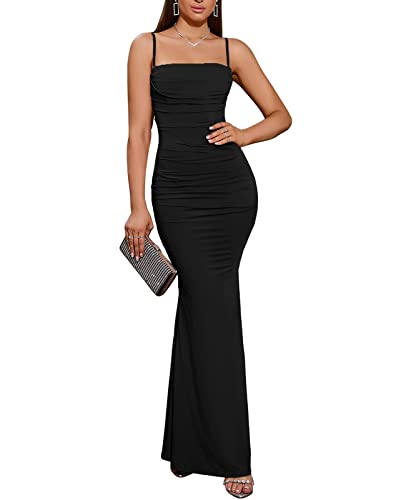
Material: Formal prom maxi dress made of 95% Polyester, 5% Elastane. Soft, skin-friendly and stretchy fabric, double layer design and not see through, comfortable to wear
Event Types
Holiday parties run the range from office gatherings to family dinners, and the fabric weight should match the crowd: velvet for cocktails with colleagues, satin when relatives bring cameras.
Winter weddings demand more coverage than spring ones; a long sleeve or high neck respects the ceremony and the temperature. The couple’s colors matter too: burgundy or emerald complement pine and white flowers without matching the bridal party by accident.
New Year’s Eve is the exception where sequins and metallics make sense even at midnight, though the venue matters more than the date. A hotel ballroom runs hot; a rented loft does not.
Check the invitation for location before committing to sleeveless.

Sequin Cocktail Dress:Refined and breathable fabric adorned with delicate sequin embellishments is the epitome of elegance for any soirée and very convenient to put on and take off with the invisible zipper on the back.

Elegant Sequin Dress Design: Crafted with premium sparkly fabric, this cocktail dress features dazzling sequins that catch the light beautifully, making you the center of attention at any event. Perfect for weddings, parties, and holiday gatherings

Party & Wedding Head-Turner - Galaxy Glitter & Chic Off-Shoulder: Command the spotlight at any event—weddings, cocktail parties, girls' nights. The dazzling galaxy glitter stays vibrant wash after wash. Sheer flared sleeves add effortless retro charm while letting your radiance shine through. Dance all night, toast in style—own the room from start to finish.
Styling Tips
Closed-toe pumps are the only sensible choice for January; a pointed toe lengthens the leg and seals out drafts from ballroom floors.
A long wool coat in black or a tone that matches the dress drapes over the shoulders for arrival photos, then goes to coat check.
A small clutch holds essentials and fits on a dinner table; anything larger becomes a problem by dessert. I’d keep jewelry minimal when the dress carries texture already: simple studs with sequins, a thin chain with a high neckline.
Photography Considerations
Velvet and brocade absorb light and need proximity to read as texture; satin and sequins reflect it and carry across a room. Mixed lighting, amber bulbs against flash, turns gold muddy and silver flat.
I’d avoid metallic shoes for group shots, where they catch light and draw the eye downward.
Frequently Asked Questions
What fabrics are best for winter formal dresses?
Velvet, stretch satin, and heavy crepe are the fabrics that actually keep you warm while looking dressed for the occasion.
Stretch satin skims the body without clinging and forgives a long dinner, while regular satin photographs more formally and holds structure better for black-tie galas.
What colors should I wear for a winter evening event?
Deep jewel tones like midnight blue, burgundy, emerald, and plum flatter skin that winter has drained and hold their depth under candles or overhead spots. I’d pick emerald for a December wedding where pine and white flowers share the table.
How far in advance should I order my dress?
Two to three months out is the window I aim for, which leaves room for shipping delays, a tailor’s schedule, and the one thing you did not plan on.
That timeline puts your first fitting at about four weeks out and your final pickup a week before, which leaves room for the dress to arrive late or need unexpected work.
Winter events cluster around holidays, so tailors book up faster than in slower seasons.