Italian winter dressing can mean a cashmere wrap picked up on sale or a made-to-order glove fitting in Naples, and the piece that earns its place in your bag depends on what your closet already owns in neutrals.
The camel wool coat that hits mid-calf is the starting point most people picture, but the real decision is whether you can button it over your thickest sweater.
1. Stylish Winter Coat

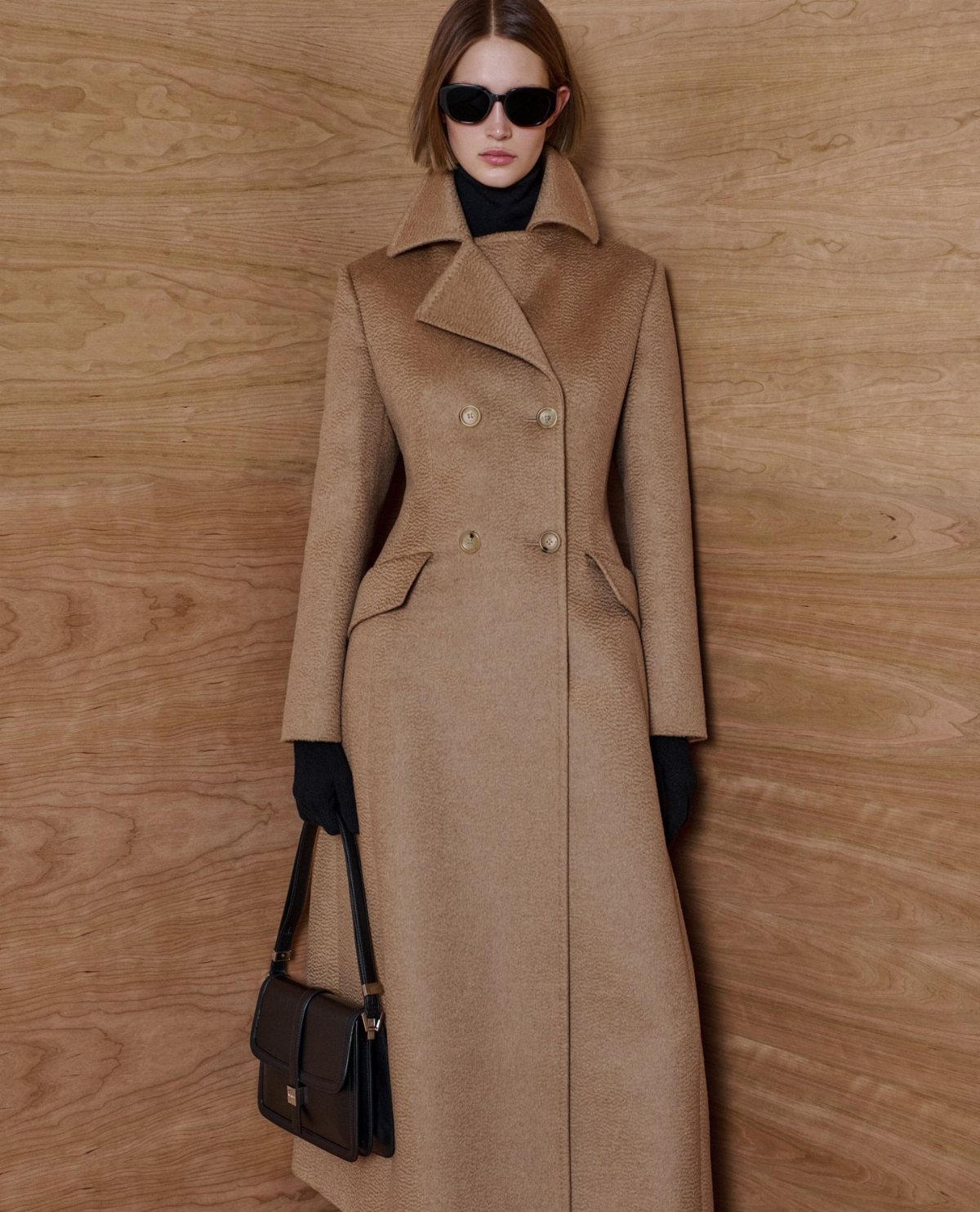
A tailored camel wool coat in a double-breasted cut reads Italian winter before anything else you put on.
The structure matters more than the label: shoulders that hold their shape, a length that hits mid-calf, and fabric heavy enough to stand away from your body rather than cling.
I saw a woman in Florence last January wearing exactly this shape in black over a thin turtleneck, and she looked warmer than anyone in a puffer.
Skip the basic black puffer unless you are hiking. Italians do not wear them to dinner, to church, or to stand in line for coffee.
A wrap coat in emerald or burgundy works if you want color; camel or navy works if you want to wear it until the lining gives out. Fit is the part that costs nothing and changes everything.
Try the coat over your thickest sweater before you buy, and check that you can still button it.

Fabric: Woolen fabric, solid color, fall winter coats wool peacoat trench coat long coats for women

Notch lapel, long sleeve, classic and dressy wool coat for women

Features: Notch lapel collar, below the knee length, long sleeve, double breasted front, side pockets
2. Accessories

Gold hoops and leather gloves against a herringbone coat prove how little extra it takes to finish the look.
A large leather cross-body bag carries your day without looking like travel gear, and a wool or cashmere scarf draped rather than knotted signals that you have done this before.
I would spend on the scarf and gloves, save on the hat. A cashmere wrap in a neutral you already wear doubles as evening cover in churches with strict dress codes.
Leather gloves with proper lining, not the thin kind that crack by February, keep your hands usable for maps and phones.
The drape is the trick: fold the scarf in half, loop it through, then pull only one end so the other hangs longer. It looks accidental, which is the point.
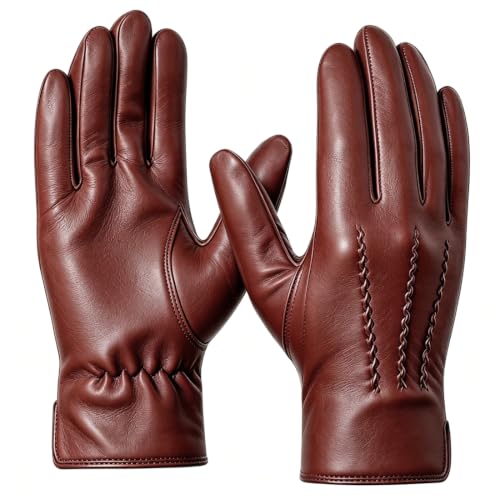
Sheep Top Genuine Leather Gloves:Mens Leather Gloves is the Best Mens Gift for You.Mens Leather Gloves uses pure sheepskin nappa leather in making their products and quality is guaranteed. The Product is Made by Competent Artisans, and They Are Crafted Beautifully for You.

Glove Material: 50% Leather, 40% Suede, 10% Wool. Feels delicate and soft, can withstand extreme cold weather and keep your hands warm.
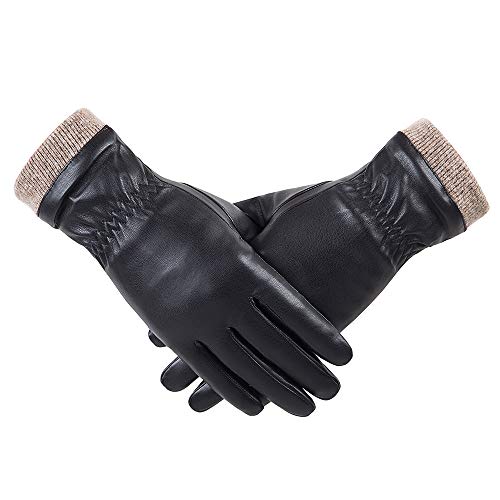
WARM AND MATERIAL: 100% PU leather gloves; The shell is High-quality PU leather gloves. Soft, comfy and warm wool is lined to let you keep warm. Simple fashion style and durable. Different sizes available.
3. Neutral Colors
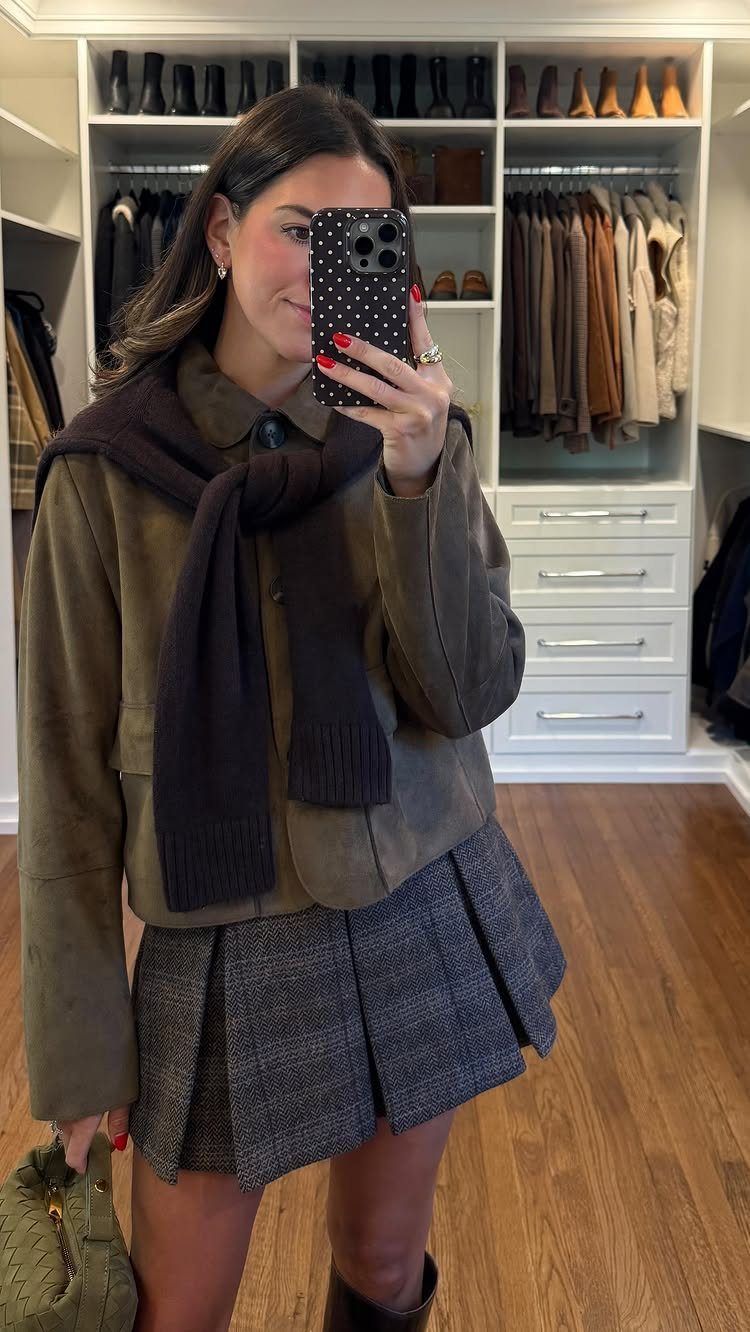
Black, grey, brown, and camel form the base; white or cream in winter reads as deliberate, not rule-breaking, especially in denim or knitwear. White in winter is not a mistake here.
What changes the answer is your own closet. If you own no camel, start with grey; if you own no grey, start with black.
The pop of color comes from accessories, not from buying a coat you will tire of. Burgundy or forest green in a scarf, a bag, or a glove pair keeps the commitment small.
Mixing is the goal: a black turtleneck, grey trousers, and a brown belt gives you three neutrals in one outfit, which is exactly where Italian dressing starts to look Italian.

MATERIAL: This scarf is crafted from a soft, cozy fabric that feels as luxurious as cashmere. It’s large, warm, and thick, yet surprisingly lightweight—perfect for those chilly evenings outdoors.

UNRIVALLED QUALITY: We have selected only the finest Grade A quality cashmere and A quality Wool Blend for our styles(50% Cashmere 50% Wool). The buttery-soft of cashmere paired with the toughness of wool, So the cashmere blend that is very soft and designed to last a lifetime. two times softer than cotton. We’re so confident in this quality.

Dress for the weather in style with a polished look to outerwear or sweaters
4. Dark Pants/Jeans

Wide-leg dark navy trousers with a patterned turtleneck and a grey coat: that is the Italian formula for pants in winter. Dark denim or tailored trousers in wool or heavy cotton replace anything lightweight or summery.
Blue and grey washes read as dressed; colored trousers in dark green or taupe work if you already own the neutrals to anchor them.
Jeans are casual here, but cut and color raise them. A slim or straight dark wash with boots and a good coat passes at aperitivo hour; the same wash in a flare or distressing does not.
I would pack two pairs for a week: one dark denim, one wool trouser in navy or charcoal. Check your hotel’s laundry policy before you decide you can wear either pair straight through a trip.
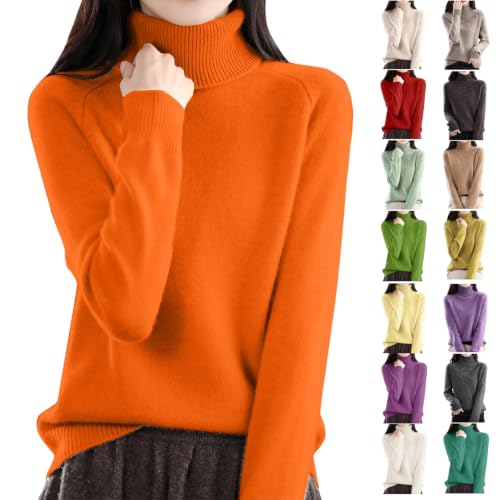
[Luxurious Cashmere Blend Sweater for Women]:This women’s pullover knit sweater is woven from premium cashmere mixed fabric, composed of 40% Cashmere,30% Cotton,20% Acrylic,10%Wool. The material feels incredibly soft and fluffy against your skin with zero stiff texture. Great moisture‑wicking performance and anti‑static property, delivering cozy warmth while maintaining a sleek, elegant look.

REGULAR FIT: Close but comfortable fit through chest, waist, and hips.

Comfortable and versatile, this sweater is perfect on its own or as a layer under a blazer or jacket
5. Leather Gloves

Black leather gloves with a yellow coat and a grey bag: the hands get noticed more than you expect in Italian winter, because they hold your coffee, your phone, your train ticket.
A proper pair in lambskin with lining, not the acrylic kind that peels at the fingertips, elevates whatever else you are wearing.
Naples still makes these by hand at factories like Omega, where you can order custom sizing or stop in if your trip takes you south.
The investment is in fit: gloves too tight cut circulation, too loose look like someone else’s.
I would choose black or dark brown, avoid anything with hardware that catches on bag straps, and check that you can use a touchscreen through the thumb and index finger.

Self Delight: Make the wearer feel confident and beautiful the moment she puts them on

Gold Tone Drama Hoop Earrings: Anne Klein women’s fashion earrings feature a bold textured hoop silhouette paired with polished gold tone detailing that creates a timeless and sophisticated jewelry look for both casual and elevated outfits. The refined hoop styling complements dresses, sweaters, blouses, office attire, cocktail looks, formalwear, evening ensembles, and layered accessories while adding polished shine and elegant styling to everyday wardrobes throughout every season and occasion.

STYLE: 14K gold over brass 18mm hoops with faux pearl stones. Earrings have a click-top closure.
6. Timeless Outerwear

A light blue zippered leather jacket with shearling at the collar, white turtleneck beneath: this is the in-between outerwear Italians wear when the temperature has not dropped to freezing. Tailoring is the non-negotiable.
A slim-cut single- or double-breasted overcoat in wool takes over when the cold sets in; a trench or khaki jacket works for the crisp days before it.
Oversized silhouettes read as borrowed or lost here. The shoulder should end at your shoulder, the sleeve at your wrist bone with your arm straight.
I would buy this piece in person if possible, since the fit across the chest with a sweater underneath is the measurement that matters and the one online sizing gets wrong most often.
A fur-lined hood on a down jacket is the newer move for the coldest weeks, but the tailored overcoat is the piece that works from Milan to Rome and back for years.


Please check the "Size Chart" Carefully before ordering. Our size chart consists of two parts: the Body size chart and the Garment size chart. You can refer both size charts to pick appropriate size. If you have any size-related questions, feel free to contact us!

Structured Fit with Room to Layer: This faux wool coat is designed with a structured silhouette and comfortable layering room, not an extreme oversized cut, but not close-fitted either. For the best fit, use our size chart and match to your body measurement. If you prefer a more tailored appearance, size down one size. If you plan to layer heavily over thick knitwear, consider sizing up. Note, XL runs generously, XL customers who prefer a tailored look should strongly consider ordering a Large.
7. Chunky Jewelry

A heavy necklace in mixed gold and silver beads turns a black turtleneck into something intentional, not just warm.
Chunky jewelry stays grounded when you keep it matte rather than shiny, and pair it with leather cuffs and rings that read casual, not dressy.
For travel, this works because one bold piece replaces three delicate ones you might lose in a hotel room. Pick beads or links with real weight; hollow, lightweight metal reads cheap in winter light and clinks too much on cobblestones.
Leather cuffs travel better than metal bangles, which dent in your bag and chill against your wrist.
I’d skip gemstones entirely for this trip. Color belongs in your coat or scarf; jewelry in Rome or Milan in January should read as structure, not decoration.
A good cuff width hits the middle: wide enough to matter, narrow enough to slide under a sleeve if you step into an overheated trattoria.
If you wear glasses, the scale helps. Small earrings disappear behind frames; a strong necklace draws the eye down and balances your face.
Without glasses, you might add one more ring, but stop before it rattles when you gesture.
Best for evenings when your coat comes off and you need to look finished fast. Skip it for days when you’re carrying a crossbody bag; the strap will fight the necklace and you’ll end up adjusting both all afternoon.

Unique Nappaglo: Nappaglo uses high quality 100% lambskin imported from Italy. It uses professional hand-stitching to get high-quality workmanship. The unique tailoring techniques handles the finest details and gives the glove the best quality control.

1.MATERIAL: Lined with pure Italian cashmere Genuine leather Gloves
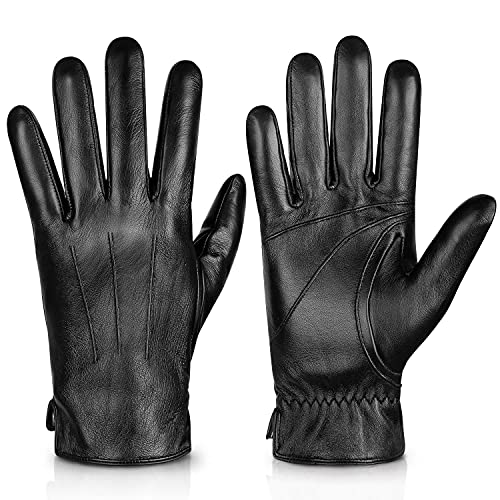
5 Size to Choose: Standard US size from 8.1 to 9.8inch, the sheepskin leather is flexible, fit for most people. Attention: Do not dry clean. Do not iron it with high temperature. Do not bleach. Don't use oil of leather shoes. Don't touch those spikes.
8. Statement Turtleneck Sweater

An oversized fuzzy turtleneck in a color that actually shows up against grey stone turns a basic sweater into the whole outfit.
The roll neck does the work of a scarf without the fuss of tying one, and the volume up top balances slim jeans the way Italians layer for warmth without looking bundled.
Scaglione in Turin has been making high-neck knits for three generations; their recycled cashmere blend is light but holds heat.
For a cheaper way in, any thick mohair or brushed wool with a cowl or roll neck works if the color is saturated enough to read from across a piazza.
This suits travelers who run cold and want one piece that carries a look from morning coffee to evening aperitivo without a coat change. The tradeoff: fuzz pills, and bright knits show wear fast, so pack a fabric comb.

MATERIAL: This scarf is crafted from a soft, cozy fabric that feels as luxurious as cashmere. It’s large, warm, and thick, yet surprisingly lightweight—perfect for those chilly evenings outdoors.

MATERIAL: This scarf is crafted from a soft, cozy fabric that feels as luxurious as cashmere. It’s large, warm, and thick, yet surprisingly lightweight—perfect for those chilly evenings outdoors.

Solid Color Style: Soft solid color scarf that complements any coat or sweater.Adds warmth without taking attention from your winter outfit for work,daily wear,or evening looks.
9. Fur-Trimmed Trench Coat

A trench that borrows fur trim from parkas gives you the belted waist and length that read Italian city, plus warmth at the throat and wrists where heat actually escapes.
The fur here is plush and tonal, not contrast, so the coat stays one piece rather than costume.
The belt matters more than the fur. Cinch it: Italians wear outerwear fitted, not floating.
If the temperature drops past crisp into real cold, this layer still works under a down coat, the fur collar turning into a hood liner that frames the face.
Check that the fur is removable or at least the cuffs are, or the coat becomes a single-weather piece. Dry clean only, and the belt loops will need reinforcing after a season of hard wear.
Best for someone who walks a lot and wants one coat that photographs well and actually closes against wind.

[Luxurious Cashmere Blend Sweater for Women]:This women’s pullover knit sweater is woven from premium cashmere mixed fabric, composed of 40% Cashmere,30% Cotton,20% Acrylic,10%Wool. The material feels incredibly soft and fluffy against your skin with zero stiff texture. Great moisture‑wicking performance and anti‑static property, delivering cozy warmth while maintaining a sleek, elegant look.

[Luxurious Cashmere Blend Sweater for Women]:This women’s pullover knit sweater is woven from premium cashmere mixed fabric, composed of 40% Cashmere,30% Cotton,20% Acrylic,10%Wool. The material feels incredibly soft and fluffy against your skin with zero stiff texture. Great moisture‑wicking performance and anti‑static property, delivering cozy warmth while maintaining a sleek, elegant look.

REGULAR FIT: Comfortable, easy fit through the shoulders, chest, and waist
10. All-White Chic Ensemble

Winter white works in Italy because stone buildings and weak sun make it read intentional, not bridal.
Texture variation keeps an all-white outfit from going flat: a smooth mini dress against a draped tweed jacket, sheer tights, and leather heels that catch light at different angles. Without that range, you are a shapeless blob in photos.
Sheer tights in January sound wrong but Italian heating runs hot indoors; you will shed the jacket and want legs that do not look like base layers.
The cream blazer over white dress is the move to copy, not the exact pieces. Any pale coat or heavy cardigan draped, not worn, gives the same thrown-on effect.
This takes confidence and a weather window. Rain ruins it.
Save for the dry days, or carry a compact umbrella that cost less than your dry cleaning bill.

Statement Size: The earrings feature a statement size that makes an impression while remaining manageable; achieve a striking look that complements your personal style without feeling overwhelming

STYLE: 14K gold over brass twisted hoop earrings are 20mm. Earrings have a hinged closure.

Bold Two-Tone Design: These two-tone hoop earrings feature a striking combination of gold and silver plating; the modern triple band structure adds a bold and stylish touch to any outfit
11. Brogues and Ribbed Tights

Brogues with ribbed tights is the combination that solves cobblestones without surrendering to sneakers. Leather-and-suede brogues with a flat, walkable sole read as intentional when paired with ribbed knit tights rather than sheer hose.
Italian women wear this in brown, not black, which softens the menswear reference and works with the ochre and cream tones of winter buildings.
The ribbing should be thick enough to stay up without garters; over-the-calf length, not ankle, or the gap shows when you sit.
Waterproof the leather before you fly, and carry a second pair of socks. Wet wool against skin chafes on long walks.
This look trades the height of a heel for stability on uneven stone; if you need lift, a low stacked heel in the brogue works, but platform does not.
12. Edgy All-Black Leather Look

All-black leather in one outfit risks costume, but the fur collar here breaks the severity and the brown bag adds the single contrast that keeps it human.
A belted jacket, fitted pants, and boots that hit above the knee but below the skirt hem break up the silhouette so an all-black leather look has intervals instead of reading as one solid block.
Italian leather is an investment, but the look does not require it.
The key pieces are the fur-trimmed jacket shape and the boot height; the pants can be coated denim or waxed cotton if actual leather is too heavy for your suitcase or your budget.
This is for evenings, not museum days. The boots restrict walking distance, and the jacket cut limits layering underneath.
Pack a thin cashmere shawl from that same Turin source if the restaurant heating disappoints; it adds color and actual warmth without breaking the line.
Regional Weather Variations
Northern Italy drops below freezing with snow in Milan, Bolzano, and Turin. Venice tricks you: the canals keep the air damp, so a coat that actually blocks wind beats whatever the thermometer claims.
Central Italy stays around 40–55°F; Rome and Florence need wool and layers, not a light jacket alone. Southern days run milder, but mornings and evenings still bite, and rain hits across the country in January.
Early February mixes sun and wet weather, and shorter daylight hours mean you are walking in cold longer than you planned. Indoor heating varies, so layering with pieces you can strip matters more than one thick shell.
A scarf and gloves stay on even when the coat comes off inside a chilly museum.
Cultural Dress Codes
Italians do not treat casual as sloppy. Wool coats, scarves, and structured boots signal effort even for coffee or a morning walk.
Athletic shoes are rare in Milan; leather or clean sneakers carry you farther without marking you as a visitor.
Churches still require covered shoulders and knees, so a cardigan or sweater layer you can add before entry saves a trip back to the hotel.
Daytime sightseeing allows relaxed cuts and practical boots, but evening dinners or drinks call for something sharper. One smart outfit in your bag covers you for the week.
The polish is in fit and fabric, not in formality; a pressed dark jean with a good boot and a coat reads right where a logo hoodie does not.
Importance of Accessories
A scarf, gloves, and hat do the work of a warmer coat without the bulk.
Dark colors in your base layer let accessories carry color.
Touchscreen-compatible thumbs save you from pulling gloves off at every corner.
Frequently Asked Questions
What clothing is frowned upon in Italy?
Italians keep gym clothes for actual workouts, skip the socks-with-sandals look, and leave the stretched-out, oversized pieces at home if you want to blend in. Bulky backpacks and belt bags around your waist also telegraph tourist louder than a guidebook.
Italians favor clean lines and proper fit, so a puffer jacket at dinner or church reads as sloppy unless you are actually hiking.
What to wear in Italy in 2026?
The same principles hold: a tailored wool coat in camel, navy, or black; dark trousers or dark-wash jeans; leather gloves; and a wool or cashmere scarf draped rather than knotted.
Layer a thin turtleneck under your coat for warmth without bulk, and choose boots that can handle cobblestones.
The climate varies by region, with Milan colder than Naples, so pack thermals if you run cold and check the forecast before you finalize your bag.
How to dress like an Italian woman over 50?
Fit matters more than age. Keep jewelry matte and weighty rather than delicate, and favor leather gloves with proper lining over thin ones that crack.
The goal is structure and quality, not chasing trends.
What should I wear in Italy during winter?
Start with a thin turtleneck or thermal base, add a wool or cashmere sweater, and top with a tailored coat that buttons over your thickest layer. Dark navy or charcoal trousers and dark denim both work; avoid lightweight fabrics.
Finish with leather gloves, a draped scarf, and boots that grip wet cobblestones.
Are there any fashion mistakes tourists should avoid in Italy?
Puffer jackets built for the slopes feel out of place on city streets; a wool or down coat with cleaner lines keeps you warmer in the looks department too.
Venice and Milan carry a damp chill that cuts deeper than the thermometer suggests, so a coat that actually blocks wind and a scarf to seal the neck are not overkill.
Improper footwear on slick streets is unsafe, not just unfashionable. In churches, cover your shoulders and knees or you will be turned away, so plan layers you can add or remove.